上一篇
ASP.NET URL处理,这两个小工具方法为何如此实用?
在ASP.NET开发中,URL处理是至关重要的一个环节,通过合理的URL处理,可以提高应用的性能和用户体验,本文将介绍两个在ASP.NET下常用的URL处理小工具方法,帮助开发者更好地管理URL。
RouteHandler
RouteHandler是一种在ASP.NET MVC中用于处理路由的机制,它允许开发者自定义路由的解析和处理方式,下面是RouteHandler的基本使用方法:
创建RouteHandler
需要创建一个继承自IHttpHandler的类,实现ProcessRequest方法,用于处理请求。
public class MyRouteHandler : IHttpHandler { public bool IsReusable { get { return false; } } public void ProcessRequest(HttpContext context) { // 处理请求 context.Response.Write("Hello, World!"); } }
注册RouteHandler
在Global.asax中,使用RouteTable.Routes.MapHttpHandler方法注册自定义的RouteHandler。
protected void Application_Start() { RouteTable.Routes.MapHttpHandler( "myRouteHandler", "{controller}/{action}/{id}", typeof(MyRouteHandler)); }
使用自定义路由
在控制器中,可以通过指定路由名称来使用自定义的RouteHandler。
RouteValueDictionary
RouteValueDictionary是ASP.NET MVC中用于存储路由参数的类,它简化了路由参数的获取和处理,下面是RouteValueDictionary的基本使用方法:
获取路由参数
在控制器中,可以使用ControllerContext.RouteData.Values获取路由参数。
public class HomeController : Controller { public ActionResult Index() { var id = ControllerContext.RouteData.Values["id"]; return View(id); } }
设置路由参数
在路由配置中,可以使用RouteValueDictionary设置路由参数。
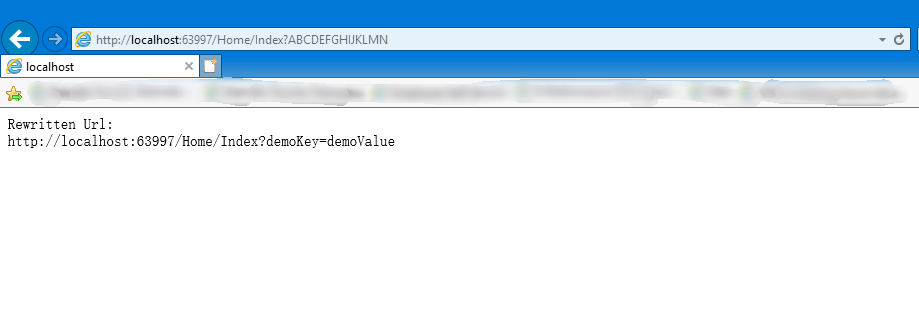
protected void Application_Start() { RouteTable.Routes.MapRoute( "default", "{controller}/{action}/{id}", new { controller = "Home", action = "Index", id = UrlParameter.Optional }, new[] { "YourNamespace.Controllers" }); }
表格对比
| 特性 | RouteHandler | RouteValueDictionary |
|---|---|---|
| 使用场景 | 自定义路由处理 | 获取和设置路由参数 |
| 优点 | 代码可复用,易于扩展 | 简化路由参数处理 |
| 缺点 | 需要实现IHttpHandler接口 | 依赖ASP.NET MVC框架 |
FAQs
Q1:RouteHandler和RouteValueDictionary有什么区别?
A1:RouteHandler用于自定义路由处理,而RouteValueDictionary用于获取和设置路由参数,两者在ASP.NET MVC中扮演不同的角色。
Q2:如何选择使用RouteHandler还是RouteValueDictionary?
A2:如果需要自定义路由处理,选择RouteHandler;如果只需要获取和设置路由参数,选择RouteValueDictionary,根据实际需求选择合适的方法。