上一篇
如何配置服务器实现跨域访问?详细步骤与解决方案解析
在服务器端实现跨域资源共享(CORS)需要通过配置HTTP响应头来允许不同源的客户端访问资源,以下是常见服务器环境的配置方法:

核心原理
在响应头中添加以下字段:
Access-Control-Allow-Origin: 允许的域名(或 * 表示所有域名) Access-Control-Allow-Methods: 允许的HTTP方法(如 GET, POST, PUT) Access-Control-Allow-Headers: 允许的请求头(如 Content-Type, Authorization) Access-Control-Allow-Credentials: true(如需传递Cookie) Access-Control-Max-Age: 预检请求缓存时间(秒)
具体配置示例
Nginx 配置
server { listen 80; server_name yourdomain.com; location / { # 基础跨域设置 add_header 'Access-Control-Allow-Origin' '*'; add_header 'Access-Control-Allow-Methods' 'GET, POST, OPTIONS'; add_header 'Access-Control-Allow-Headers' 'DNT,User-Agent,X-Requested-With,If-Modified-Since,Cache-Control,Content-Type,Range,Authorization'; # 预检请求处理 if ($request_method = 'OPTIONS') { add_header 'Access-Control-Max-Age' 1728000; add_header 'Content-Type' 'text/plain; charset=utf-8'; add_header 'Content-Length' 0; return 204; } } }
Apache 配置 (.htaccess)
<IfModule mod_headers.c> Header set Access-Control-Allow-Origin "*" Header set Access-Control-Allow-Methods "GET, POST, OPTIONS" Header set Access-Control-Allow-Headers "Content-Type, Authorization" # 处理OPTIONS预检请求 RewriteEngine On RewriteCond %{REQUEST_METHOD} OPTIONS RewriteRule ^(.*)$ $1 [R=200,L] </IfModule>
Node.js (Express)
const express = require('express'); const app = express(); // 中间件设置CORS app.use((req, res, next) => { res.header('Access-Control-Allow-Origin', '*'); // 或指定域名如 'https://client.com' res.header('Access-Control-Allow-Methods', 'GET, POST, PUT, DELETE'); res.header('Access-Control-Allow-Headers', 'Content-Type, Authorization'); // 处理预检请求 if (req.method === 'OPTIONS') { res.sendStatus(200); } else { next(); } }); app.listen(3000);
Spring Boot (Java)
@Configuration public class CorsConfig implements WebMvcConfigurer { @Override public void addCorsMappings(CorsRegistry registry) { registry.addMapping("/**") .allowedOrigins("*") // 或具体域名 .allowedMethods("GET", "POST", "PUT", "DELETE") .allowedHeaders("*") .allowCredentials(false) .maxAge(3600); } }
Python Flask
from flask import Flask from flask_cors import CORS # 安装: pip install flask-cors app = Flask(__name__) CORS(app, resources={r"/*": {"origins": "*"}}) # 全局允许所有域名 # 或精细控制 @app.after_request def add_cors_headers(response): response.headers['Access-Control-Allow-Origin'] = '*' response.headers['Access-Control-Allow-Headers'] = 'Content-Type,Authorization' response.headers['Access-Control-Allow-Methods'] = 'GET,POST,PUT,DELETE' return response
ASP.NET Core
public void ConfigureServices(IServiceCollection services) { services.AddCors(options => { options.AddPolicy("AllowAll", builder => { builder.AllowAnyOrigin() .AllowAnyMethod() .AllowAnyHeader(); }); }); } public void Configure(IApplicationBuilder app) { app.UseCors("AllowAll"); // 应用策略 }
关键注意事项
-
安全性:
- 避免滥用 Access-Control-Allow-Origin: *,推荐指定具体域名。
- 如需传递Cookie,设置 Access-Control-Allow-Credentials: true 并明确指定域名(不能为 )。
-
预检请求 (OPTIONS):
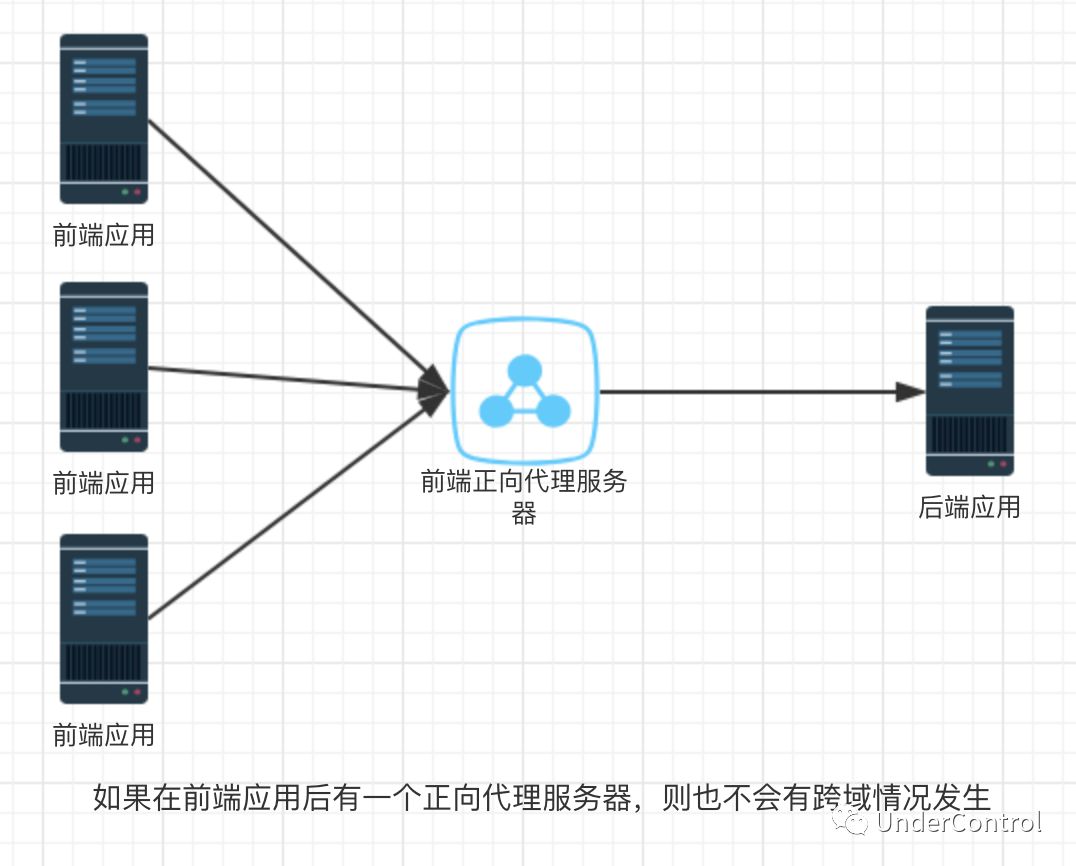
- 复杂请求(如自定义Header、非简单方法)会先发送OPTIONS请求。
- 确保服务器正确处理OPTIONS并返回204/200。
-
缓存优化:
- 使用 Access-Control-Max-Age 减少预检请求次数。
-
Vary 头:
- 当根据请求头动态返回内容时,添加 Vary: Origin 防止缓存问题。
- 浏览器开发者工具(Network标签查看请求头/响应头)
- curl 命令测试: curl -I -X OPTIONS http://yourserver.com/api -H 'Origin: http://client.com'
测试工具
通过以上配置,服务器即可安全、有效地支持跨域请求,根据实际场景调整域名、方法和头域限制,平衡功能与安全性。