上一篇
服务器CDN是什么意思?英文全称是什么?
Understanding Server and CDN: What Does It Mean?
Introduction
In the digital age, the internet has become an integral part of our lives. With the increasing reliance on online services, the need for efficient and reliable server and content delivery network (CDN) solutions has grown. But what exactly are these terms, and how do they contribute to the smooth functioning of the online world? Let’s delve into the details.
What is a Server?
A server is a computer system that provides services to other computers, known as clients, over a network. These services can range from data storage to application hosting. Servers are designed to handle multiple requests simultaneously and are equipped with powerful hardware and software to ensure high performance and reliability.

Types of Servers
- Web Servers: These servers host websites and deliver web pages to users when requested.
- File Servers: They store and manage files, allowing users to access and share data over a network.
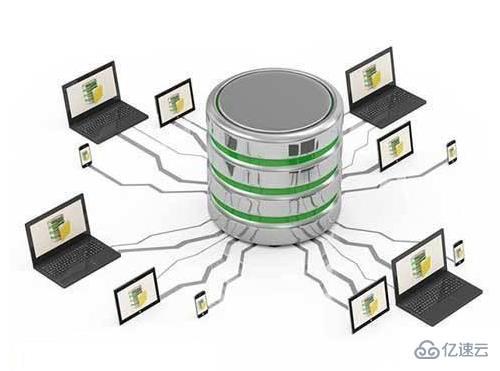
- Database Servers: These servers manage and store large volumes of data, providing access to applications that require this data.
- Application Servers: They run applications and provide services to clients, such as email, messaging, and more.
What is a CDN?
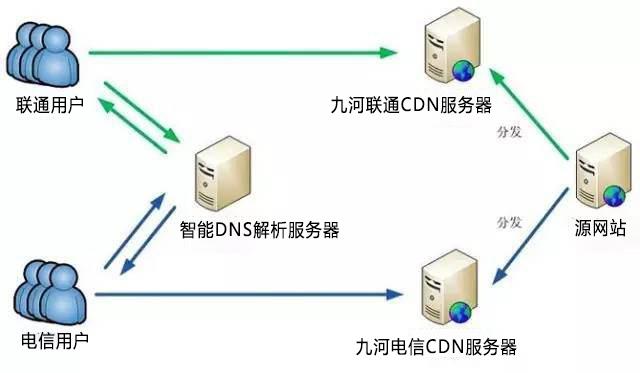
A Content Delivery Network (CDN) is a distributed network of servers that work together to deliver content to users more efficiently. Unlike a single server that hosts all content, a CDN has multiple servers located in different geographic locations. This distribution helps in reducing latency and improving the user experience.
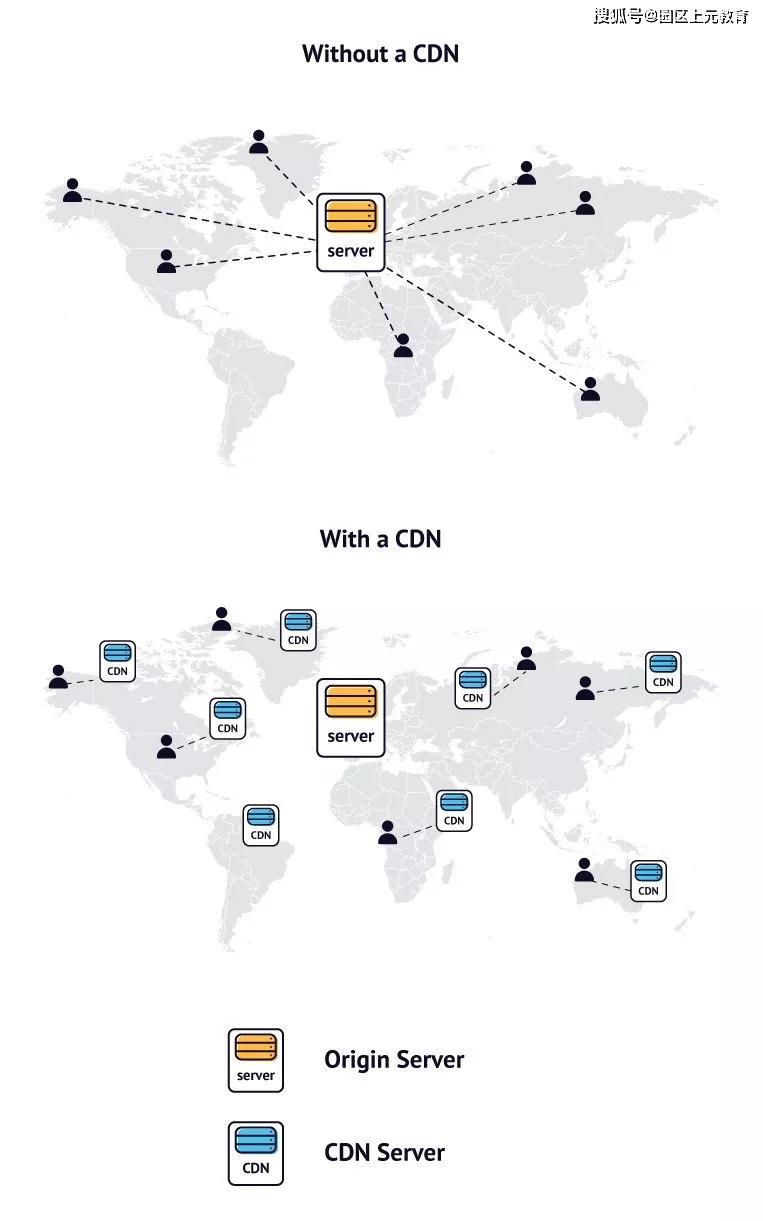
How CDN Works
- Caching: When a user requests content, the CDN caches (stores) that content on multiple servers.
- Geolocation: The CDN determines the user’s location and directs the request to the nearest server.
- Load Balancing: The CDN balances the load across its servers to ensure optimal performance.
- Redundancy: In case one server fails, the CDN can reroute traffic to another server, ensuring continuous service.
Benefits of Using CDN
- Improved Performance: Content is delivered faster due to reduced latency and load times.
- Increased Uptime: Redundancy ensures that if one server fails, others can take over, minimizing downtime.
- Cost-Effective: By reducing the load on the origin server, a CDN can save bandwidth costs.
- Global Reach: CDNs have servers worldwide, making them accessible to users globally.
Table: Comparison of Server and CDN
| Feature | Server | CDN |
|---|---|---|
| Location | Single or multiple servers | Distributed across multiple locations |
| Purpose | Hosts applications, data | Delivers content efficiently |
| Scalability | Limited by server capacity | Scalable due to distributed nature |
| Latency | Higher due to single location | Lower due to geolocation |
| Uptime | Dependent on server health | High due to redundancy |
Conclusion
In summary, a server is a computer system that provides services, while a CDN is a network of servers that deliver content efficiently. While servers are essential for hosting applications and data, CDNs enhance the user experience by reducing latency and improving performance. By understanding the difference between these two, businesses and individuals can make informed decisions to optimize their online presence.
FAQs
Q1: Can a CDN replace a server entirely?
A1: No, a CDN cannot replace a server entirely. While a CDN improves content delivery, servers are still necessary for hosting applications, databases, and other services.
Q2: How does a CDN affect SEO?
A2: A CDN can positively affect SEO by improving website performance and reducing load times. Faster loading times can lead to better user experience and potentially higher search engine rankings.