上一篇
如何选择合适的网站开发推荐英文字体?探讨最佳字体搭配与设计原则
In the realm of website development, the choice of typography plays a crucial role in creating an engaging and visually appealing user experience. Selecting the right font can significantly impact the readability, branding, and overall aesthetic of a website. Here, we present a curated list of recommended English fonts for website development, categorized by their style and usage.
Sans Serif Fonts
Arial
- Usage: Ideal for web design due to its clean and modern look.
- Best For: User interfaces, corporate websites, and applications.
Helvetica
- Usage: A versatile font with a neutral and professional appearance.
- Best For: Corporate branding, finance, and technology websites.
Open Sans

- Usage: Easy to read and widely used for its readability.
- Best For: Blogs, e-commerce, and educational websites.
Serif Fonts
Times New Roman
- Usage: A classic font with a strong personality.
- Best For: Newspapers, academic publications, and traditional websites.
Georgia
- Usage: Designed for readability on computer screens.
- Best For: Online newspapers, magazines, and long-form content.
Merriweather
- Usage: A contemporary serif font with good readability.
- Best For: Academic websites, educational platforms, and long-form articles.
Display Fonts
Bebas Neue
- Usage: Bold and impactful, perfect for headers and titles.
- Best For: Branding, headers, and titles on websites.
Lobster
- Usage: A whimsical font with a strong character.
- Best For: Creative websites, portfolios, and blogs.
Playfair Display
- Usage: Elegant and stylish, suitable for luxury brands.
- Best For: Fashion, lifestyle, and luxury websites.
Monospaced Fonts
Consolas
- Usage: Used for code snippets and technical documentation.
- Best For: Developer blogs, coding tutorials, and tech websites.
Source Code Pro
- Usage: A professional font for coding and documentation.
- Best For: Developer portfolios, tech blogs, and coding websites.
Inconsolata
- Usage: A highly legible monospaced font.
- Best For: Code snippets, documentation, and tech forums.
Choosing the Right Font
When selecting a font for your website, consider the following factors:
- Brand Identity: Choose a font that aligns with your brand’s personality and values.
- Readability: Ensure the font is easy to read across different devices and screen sizes.
- Compatibility: Verify that the font is compatible with the browsers and devices your audience uses.
- Legibility: Test the font in various sizes and colors to ensure it stands out and is not too overwhelming.
Table: Font Comparison
| Font Name | Style | Usage | Best For |
|---|---|---|---|
| Arial | Sans Serif | Clean and modern look | User interfaces, corporate websites |
| Helvetica | Sans Serif | Neutral and professional appearance | Corporate branding, finance, technology websites |
| Open Sans | Sans Serif | Easy to read and widely used | Blogs, e-commerce, educational websites |
| Times New Roman | Serif | Classic and strong personality | Newspapers, academic publications, traditional websites |
| Georgia | Serif | Designed for readability on computer screens | Online newspapers, magazines, long-form content |
| Merriweather | Serif | Contemporary and good readability | Academic websites, educational platforms, long-form articles |
| Bebas Neue | Display | Bold and impactful | Branding, headers, titles on websites |
| Lobster | Display | Whimsical and strong character | Creative websites, portfolios, blogs |
| Playfair Display | Display | Elegant and stylish, suitable for luxury brands | Fashion, lifestyle, luxury websites |
| Consolas | Monospaced | Used for code snippets and technical documentation | Developer blogs, coding tutorials, tech websites |
| Source Code Pro | Monospaced | Professional font for coding and documentation | Developer portfolios, tech blogs, coding websites |
| Inconsolata | Monospaced | Highly legible | Code snippets, documentation, tech forums |
FAQs
Q1: What is the difference between serif and sans serif fonts?
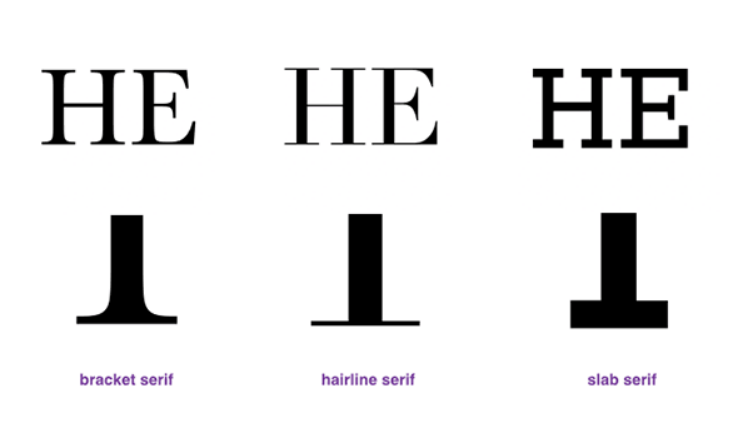
A1: Serif fonts have small decorative features at the end of their strokes, while sans serif fonts do not. Serif fonts are often perceived as more traditional and formal, while sans serif fonts are modern and clean.
Q2: How do I ensure my website’s font is legible on all devices?
A2: To ensure legibility across devices, choose a font that has a wide range of weights and sizes. Additionally, test your website on different devices and screen sizes to ensure the font appears clear and readable.