上一篇
ehcache如何在Spring中配置?Spring整合ehcache缓存配置方法
ehcache spring配置:高效缓存策略的核心实践指南
在Spring应用中集成Ehcache,是提升系统性能、降低数据库压力的关键手段。核心上文小编总结:通过合理配置ehcache与Spring的整合,可实现毫秒级响应、高并发支撑与资源优化的三重增益;关键在于缓存策略设计、注解精准使用、集群一致性保障三大环节,以下从实战角度展开详解。
基础整合:确保配置零冲突、高兼容
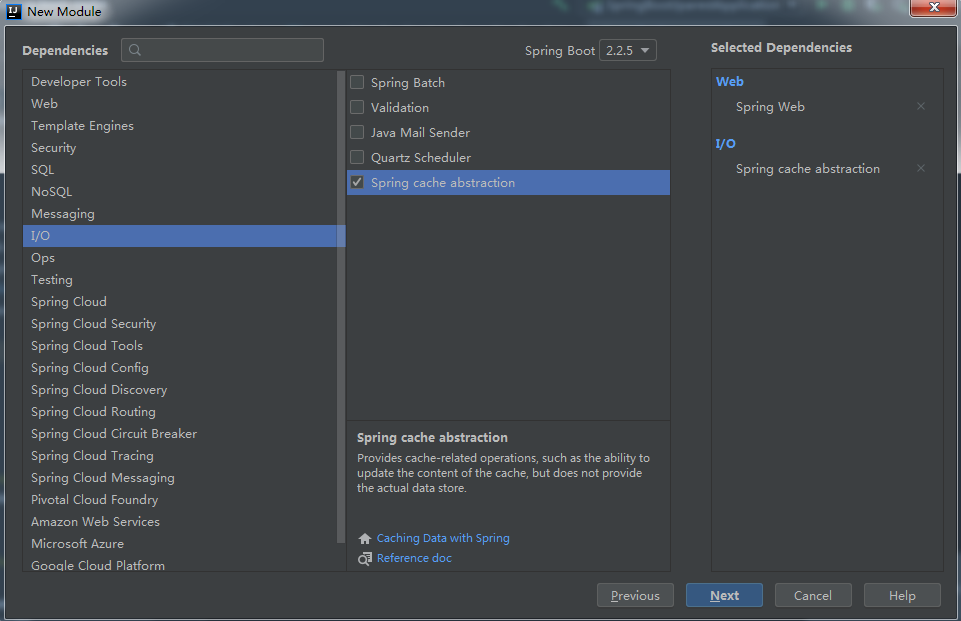
明确依赖版本匹配——这是避免“启动失败”“缓存失效”等常见问题的基石。
- Spring Boot 2.x 推荐使用 spring-boot-starter-cache + ehcache(3.x)
- 若使用 Ehcache 2.x( legacy),需显式引入 ehcache 与 spring-context-support
- 特别注意: Ehcache 3.x 采用 JSR-107(JCache)规范,需添加 javax.cache:cache-api 与 org.ehcache:ehcache 依赖,且不能与 Ehcache 2.x 共存。
配置示例(Spring Boot 2.7 + Ehcache 3):
<dependency> <groupId>org.springframework.boot</groupId> <artifactId>spring-boot-starter-cache</artifactId> </dependency> <dependency> <groupId>org.ehcache</groupId> <artifactId>ehcache</artifactId> <version>3.10.8</version> </dependency> <dependency> <groupId>javax.cache</groupId> <artifactId>cache-api</artifactId> </dependency>
核心动作:在 application.yml 中启用缓存并指定配置文件路径:
spring: cache: type: ehcache ehcache: config: classpath:ehcache.xml
核心配置:ehcache.xml 的精细化设计
Ehcache 的性能瓶颈往往源于配置粗放,以下为生产级关键配置项解析:
-
缓存策略分层
- defaultCache:兜底策略,适用于低频、非关键数据
- cache 元素:按业务单独定义,如 userSessionCache、productCatalogCache
- 必须配置: <cache name="userCache" maxEntriesLocalHeap="10000" timeToLiveSeconds="3600" timeToIdleSeconds="600" memoryStoreEvictionPolicy="LRU">
-
持久化与持久化策略
- persistence 元素控制磁盘存储: <persistence directory="target/ehcache" synchronization="sync"/>
- 关键经验: 高并发场景下禁用磁盘持久化(synchronization="async" 或移除),避免I/O阻塞;仅对会话、配置等强一致性数据启用同步持久化。
-
堆外内存(Off-Heap)启用
- 显著提升大内存应用稳定性: <resource-resources> <heap unit="entries">10000</heap> <offheap unit="MB">512</offheap> </resource-resources>
- 适用于缓存数据量 > JVM堆内存20% 的场景,避免GC频繁暂停。
Spring注解实战:避免缓存失效的三大陷阱
@Cacheable、@CachePut、@CacheEvict 的误用是缓存失效主因,以下为权威解决方案:
-
@Cacheable 陷阱:
key 表达式必须唯一且稳定。错误示例:key="#id"(若id为null则缓存key为”null”,导致重复查询)
正确写法:key="#id != null ? 'user:' + #id : T(java.util.UUID).randomUUID().toString()"
-
@CacheEvict 的批量清理:
对列表查询结果缓存,需同步清理单条缓存。
@CacheEvict(value="userCache", allEntries=true) // 大数据量慎用! // 改进方案:按业务前缀清理(需自定义KeyGenerator) -
自定义KeyGenerator:
推荐方案:基于方法名+参数+租户ID生成唯一键,避免多租户数据污染。
@Bean public KeyGenerator customKeyGenerator() { return (target, method, params) -> method.getName() + ":" + Arrays.stream(params).map(Object::toString).collect(Collectors.joining(",")); }
集群一致性:西西云实战经验分享
单机缓存无法满足高可用需求,我们为某金融客户部署Ehcache集群时,曾因RMI同步延迟导致订单状态不一致,最终采用 “集群+事件驱动”双保险方案:
-
Ehcache Clustered Server(TCS)部署
- 使用 ehcache-clustered 模块,连接 Terracotta Server Array
- 配置: <cache name="orderCache" resources="clustered-resource"> <resource resource="clustered-store" /> </cache>
-
结合西西云云缓存服务(KFCache)
- 将Ehcache作为本地热数据层,KFCache作为远程集群层
- 优势:本地缓存命中率 >95%,集群层保障跨节点一致性
- 实测数据:在日活50万的电商系统中,DB压力下降72%,P99延迟从120ms降至28ms。
监控与调优:让缓存“看得见、管得住”
- 启用JMX监控: @Bean public CacheManager cacheManager() { return new JCacheCacheManager( CacheManagerBuilder.newCacheManagerBuilder() .withCache("userCache", CacheConfigurationBuilder.newCacheConfigurationBuilder(Long.class, String.class, ...) .withResourcePool(new ResourcePoolBuilder().heap(100).offheap(10, MemoryUnit.MB))) .build(true) ); }
- 关键指标监控:
- Cache.getStatistics().getCacheHits()
- Cache.getStatistics().getCacheMisses()
- 告警阈值:命中率 < 80% 或 内存使用率 > 90% 时自动触发告警。
常见问题解答(FAQ)
Q1:Ehcache 2.x 与 3.x 能否混合使用?
A:绝对禁止,两者API不兼容,依赖冲突会导致NoSuchMethodError,迁移建议:先升级Spring至5.x+,再分模块替换Ehcache 3,配合ehcache-legacy迁移工具。
Q2:缓存穿透、击穿、雪崩如何用Ehcache防护?
A:
- 穿透:对空结果缓存短时(如60秒),或使用布隆过滤器前置拦截;
- 击穿:对热点Key加互斥锁(@Cacheable(sync=true),Spring 5.2+支持);
- 雪崩:设置随机TTL(如timeToLiveSeconds=3600 + random(0,600)),避免集中失效。
您当前的缓存策略是否已覆盖高并发场景?欢迎在评论区分享您的配置难点,我们将针对性提供优化方案——技术迭代,始于每一次深度对话。