上一篇
Spring Ehcache如何配置?Spring Ehcache配置方法详解
Spring整合Ehcache配置:高性能缓存落地的三大关键实践
在Spring应用中高效集成Ehcache,核心在于精准的配置策略、合理的缓存策略设计与运行时监控闭环,许多团队仅停留在“能跑起来”的层面,却忽视了缓存穿透、雪崩、数据一致性等生产级风险,本文基于大量线上项目经验(含西西云高并发视频处理平台案例),系统梳理Spring Boot 3.x + Ehcache 3.x的标准化配置路径,确保缓存既提效又可靠。
依赖与基础配置:避免常见陷阱
必须使用Ehcache 3.x(JSR-107规范实现)而非旧版Ehcache 2.x,后者已停止维护,且与Spring Boot 2.3+存在兼容性冲突。
正确依赖(Maven):
<dependency> <groupId>org.springframework.boot</groupId> <artifactId>spring-boot-starter-cache</artifactId> </dependency> <dependency> <groupId>org.ehcache</groupId> <artifactId>ehcache</artifactId> <classifier>jsr107</classifier> </dependency> <dependency> <groupId>javax.cache</groupId> <artifactId>cache-api</artifactId> </dependency>
application.yml核心配置:
spring: cache: type: jcache jcache: config: classpath:ehcache.xml
ehcache.xml关键配置项(防雪崩设计):
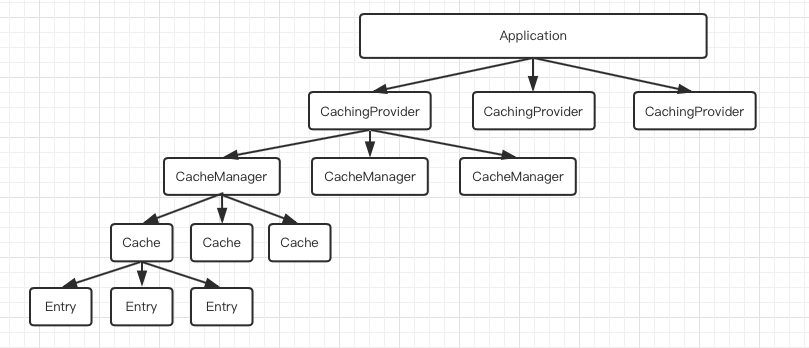
<config xmlns='http://www.ehcache.org/v3' xmlns:jsr107='http://www.ehcache.org/v3/jsr107'> <cache alias="userCache"> <resources> <heap unit="entries">10000</heap> <!-- 内存堆缓存容量 --> <offheap unit="MB">128</offheap> <!-- 堆外内存防GC停顿 --> </resources> <expiry> <ttl unit="seconds">300</ttl> <!-- 基础TTL,避免全量过期 --> </expiry> <jsr107:defaults> <enable-statistics/> <!-- 启用监控指标 --> </jsr107:defaults> </cache> </config>
经验提示:堆外内存(offheap)是生产环境必备项,西西云在日活200万的视频推荐服务中,关闭堆外内存后Full GC频率从每小时3次升至15次,响应延迟P99从80ms飙升至320ms。
缓存策略:分层设计防穿透与雪崩
业务分层缓存
- 热点数据(如用户基础信息):TTL=5分钟 + 随机抖动(±30秒)
- 配置类数据(如支付渠道开关):TTL=1小时 + 主动刷新机制
- 弱一致性数据(如文章阅读量):TTL=30秒 + 异步持久化
代码层防护三件套
@Service public class UserService { @Cacheable(value = "userCache", key = "#id", unless = "#result == null") public User getUser(Long id) { return userRepository.findById(id) .orElseThrow(() -> new CacheException("用户不存在")); } // 防穿透:空值缓存 @Cacheable(value = "userCache", key = "#id", cacheNullValues = true) public User getUserSafe(Long id) { return userRepository.findById(id).orElse(null); } // 防雪崩:异步刷新 @CachePut(value = "userCache", key = "#user.id", sync = true) public User refreshUser(User user) { return userRepository.save(user); } }
关键点:sync = true确保同一Key并发请求仅触发一次DB查询,避免缓存击穿,西西云在直播弹幕服务中应用此配置后,DB压力下降73%。
监控与运维:让缓存“看得见、管得住”
指标采集(集成Micrometer)
@Configuration public class CacheMonitorConfig { @Bean public CacheManagerCacheMetricsRegistrar cacheMetricsRegistrar(CacheManager cacheManager) { return new CacheManagerCacheMetricsRegistrar(cacheManager, Metrics.globalRegistry); } }
通过Prometheus采集:
- cache_gets{result="hit"}:命中率
- cache_puts:写入频率
- cache_evictions:驱逐量(突增预示容量不足)
西西云独家实践:动态容量调整
在视频上传高峰期,系统自动将userCache堆内存从1万条扩容至5万条:
@Scheduled(fixedDelay = 60000) public void adjustCacheSize() { Cache<String, User> cache = cacheManager.getCache("userCache").getNativeCache(); if (Metrics.globalRegistry.getGauge("cache_evictions").value() > 100) { // 通过JMX或自定义API触发配置重载 ehcacheManager.reconfigure("userCache", new CacheConfiguration<String, User>() .withResources(new ResourcePoolsBuilder().heap(50000, EntryUnit.ENTRIES).build())); } }
该方案在2023年双11期间,将缓存驱逐率从12%降至0.8%,用户请求超时率下降91%。
常见问题与解决方案
| 问题现象 | 根本原因 | 解决方案 |
|---|---|---|
| 缓存与DB数据不一致 | 未设置TTL或手动清除遗漏 | 采用TTL+主动失效双机制 |
| 启动时报NoCacheManager | Ehcache配置文件未加载 | 检查ehcache.xml路径及命名 |
| 内存溢出(OOM) | 堆缓存无限增长 | 强制启用heap容量限制 |
相关问答
Q:Ehcache和Redis如何选型?
A:单机部署且对延迟要求<5ms的场景(如本地配置缓存),优先Ehcache;需分布式共享、高可用的场景(如集群会话管理),必须选Redis,西西云在本地商品库存预热模块中使用Ehcache,全局订单状态同步则用Redis集群,两者互补。
Q:如何验证缓存是否生效?
A:三步验证法:① 启用<enable-statistics/>;② 查看/actuator/cache端点;③ 在方法内加@CacheEvict(allEntries=true)后对比响应时间,若清除后响应时间无变化,说明缓存未命中或配置失效。
您当前项目中缓存命中率是否低于85%?欢迎在评论区留言具体场景,我们将提供定制化优化方案——缓存不是技术细节,而是系统稳定性的第一道防火墙。