上一篇
AngularJS写法有哪些常见陷阱及最佳实践?
AngularJS 作为一款经典的前端 JavaScript 框架,其核心在于通过数据绑定和依赖载入简化动态 Web 应用的开发,以下从核心概念、模块化设计、控制器编写、视图交互及最佳实践等方面,系统介绍 AngularJS 的标准写法。
模块与依赖:应用的基础架构
AngularJS 应用以模块为基本单位,通过 angular.module() 方法创建和配置模块,模块不仅作为容器,还负责管理依赖关系,确保组件间的松耦合。
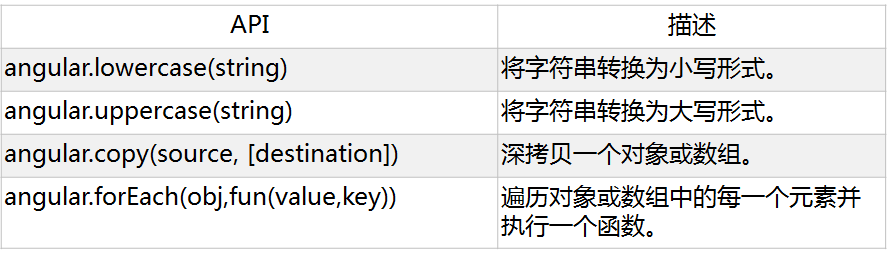
模块设计需遵循单一职责原则,例如将路由、服务、指令等功能拆分为独立模块,再通过主模块整合。
// 定义核心模块 var core = angular.module('core', []); // 定义用户模块 var user = angular.module('user', ['core']); // 主模块依赖子模块 var app = angular.module('myApp', ['core', 'user']);
控制器:数据与逻辑的中枢
控制器负责初始化视图模型($scope),处理用户交互逻辑,编写控制器时需注意以下几点:
- 依赖载入:通过 $scope 关联视图与控制器,$http 用于数据请求,$location 处理路由等。
- 避免直接操作 DOM:保持数据驱动视图,而非手动操作 DOM。
- 轻量化设计:控制器仅处理业务逻辑,复杂逻辑应抽离至服务。
示例:用户列表控制器
app.controller('UserListController', ['$scope', '$http', function($scope, $http) { $scope.users = []; $scope.loading = true; // 获取用户数据 $http.get('/api/users').then(function(response) { $scope.users = response.data; $scope.loading = false; }).catch(function(error) { console.error('获取用户列表失败:', error); $scope.loading = false; }); // 删除用户 $scope.deleteUser = function(userId) { $http.delete('/api/users/' + userId).then(function() { $scope.users = $scope.users.filter(function(user) { return user.id !== userId; }); }); }; }]);
视图:模板与数据绑定
AngularJS 视图以 HTML 为模板,通过指令实现动态数据绑定,核心指令包括:
| 指令 | 作用 | 示例 |
|---|---|---|
| 插值表达式,显示数据 | <h1>{{ username }}</h1> | |
| ng-model | 双向数据绑定,绑定表单控件 | <input ng-model="user.name"> |
| ng-repeat | 循环渲染数组或对象 | <li ng-repeat="user in users">{{ user.name }}</li> |
| ng-show/ng-hide | 条件显示/隐藏元素 | <div ng-show="isLoading">加载中...</div> |
| ng-click | 绑定点击事件 | <button ng-click="saveUser()">保存</button> |
示例:用户列表视图
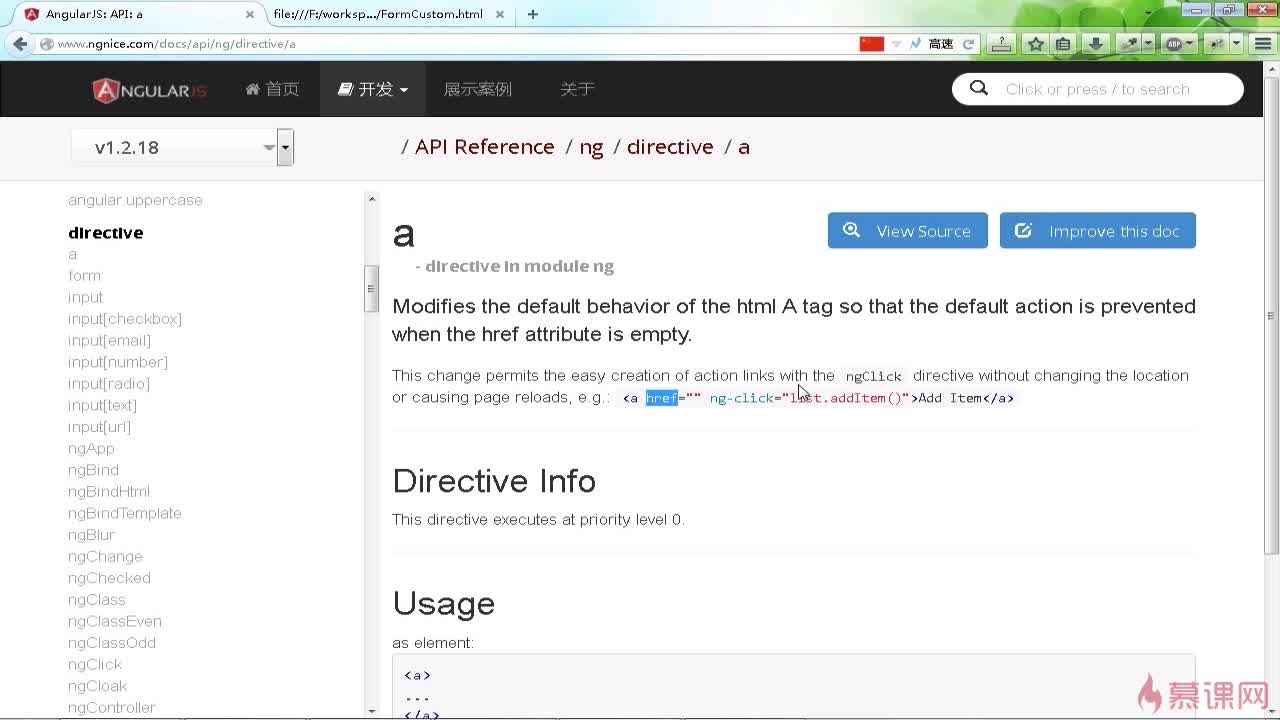
<div ng-controller="UserListController"> <h2>用户列表</h2> <div ng-show="loading">加载中...</div> <table ng-show="!loading"> <thead> <tr> <th>ID</th> <th>姓名</th> <th>操作</th> </tr> </thead> <tbody> <tr ng-repeat="user in users"> <td>{{ user.id }}</td> <td>{{ user.name }}</td> <td> <button ng-click="deleteUser(user.id)">删除</button> </td> </tr> </tbody> </table> </div>
服务:可复用的业务逻辑
服务用于封装可复用的功能(如数据请求、工具函数),通过依赖载入机制在控制器、指令等组件间共享,AngularJS 内置 $http、$timeout 等服务,也可自定义服务。
示例:自定义用户服务
app.service('UserService', ['$http', function($http) { this.getUsers = function() { return $http.get('/api/users'); }; this.createUser = function(userData) { return $http.post('/api/users', userData); }; }]); // 在控制器中使用 app.controller('UserController', ['$scope', 'UserService', function($scope, UserService) { UserService.getUsers().then(function(response) { $scope.users = response.data; }); }]);
路由与多页面视图
通过 ngRoute 模块实现前端路由,支持多视图切换,配置路由需定义 $routeProvider,指定路径、模板及控制器。
app.config(['$routeProvider', function($routeProvider) { $routeProvider .when('/users', { templateUrl: 'views/users.html', controller: 'UserListController' }) .when('/users/:id', { templateUrl: 'views/user-detail.html', controller: 'UserDetailController' }) .otherwise({ redirectTo: '/users' }); }]);
最佳实践与注意事项
- 命名规范:控制器、服务等组件采用驼峰命名,并添加统一前缀(如 UserController)。
- 避免全局变量:始终通过模块封装功能,避免污染全局作用域。
- 数据绑定优化:对于大数据列表,使用 track by 提升渲染性能(如 ng-repeat="user in users track by user.id")。
- 生命周期管理:在控制器中通过 $onDestroy 清理定时器、事件监听等资源,避免内存泄漏。
通过以上模块化、数据驱动的写法,AngularJS 能够构建结构清晰、易于维护的单页应用,尽管现代前端框架更趋流行,但其核心思想(如依赖载入、数据绑定)仍对前端开发具有深远影响。
相关文章
-

VPS性能优化教程怎么做?Making Implicit Concepts Explicit隐式概念显式化原则
-
VPS性能优化教程,Language of the Domain领域语言原则是什么?
-
VPS性能优化教程,Binding Model绑定模型实现原则是什么?
-
VPS性能优化教程怎么做?VPS性能优化方法详解
-
VPS性能优化教程怎么做?VPS优化方法详解
-
VPS性能优化教程,Refactoring Toward Deeper Insight重构深入洞察原则,VPS如何进行性能优化?
-
VPS性能优化教程:Hands-On Modelers实践建模者原则
-
AS4837青云互联悉尼VPS路由分析,青云互联悉尼VPS怎么样