上一篇
Java中实现必填项验证的最佳实践是什么?
在Java中实现必填项(required fields)通常涉及在数据模型中使用注解、验证器或自定义代码来确保在对象创建或更新时,特定的字段必须被赋值,以下是一些常见的方法和步骤:
使用注解
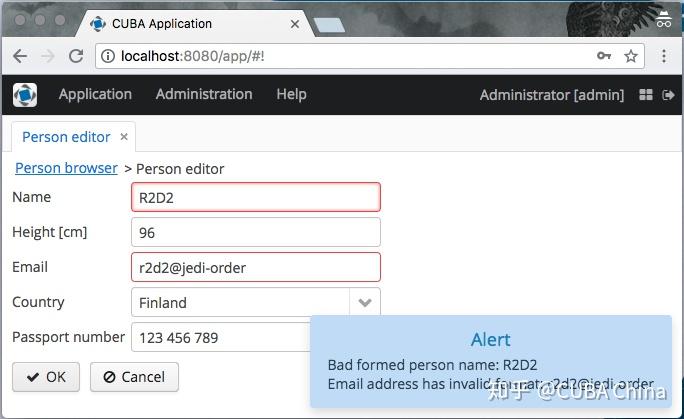
Java中的@NotNull、@NotEmpty、@NotBlank等注解可以用来标记一个字段为必填项。
示例:
import javax.validation.constraints.NotNull; import javax.validation.constraints.NotBlank; import javax.validation.constraints.NotEmpty; public class User { @NotNull(message = "Username cannot be null") private String username; @NotBlank(message = "Email cannot be blank") private String email; // Getters and setters }
使用Bean Validation API
Java Bean Validation (JSR 380) 是一个标准,它提供了一组注解来定义验证规则。
示例:
import org.hibernate.validator.constraints.Length; public class User { @NotNull(message = "Username cannot be null") private String username; @Length(min = 5, message = "Password must be at least 5 characters long") private String password; // Getters and setters }
使用自定义验证器
如果标准的注解无法满足需求,可以创建自定义验证器。
示例:
import javax.validation.Constraint; import javax.validation.Payload; import javax.validation.ConstraintValidator; import javax.validation.ConstraintValidatorContext; import java.lang.annotation.*; @Documented @Constraint(validatedBy = CustomValidator.class) @Target({ ElementType.FIELD, ElementType.METHOD, ElementType.PARAMETER, ElementType.ANNOTATION_TYPE }) @Retention(RetentionPolicy.RUNTIME) public @interface Unique { String message() default "This value is already taken"; Class<?>[] groups() default {}; Class<? extends Payload>[] payload() default {}; } public class CustomValidator implements ConstraintValidator<Unique, String> { @Override public void initialize(Unique constraintAnnotation) { } @Override public boolean isValid(String value, ConstraintValidatorContext context) { // Custom validation logic return true; // or false } }
使用自定义代码
在某些情况下,可能需要更复杂的逻辑来验证必填项。
示例:
public class User { private String username; private String email; public User(String username, String email) { if (username == null || username.trim().isEmpty()) { throw new IllegalArgumentException("Username cannot be null or empty"); } if (email == null || email.trim().isEmpty()) { throw new IllegalArgumentException("Email cannot be null or empty"); } this.username = username; this.email = email; } // Getters and setters }
集成到业务逻辑
确保在业务逻辑中使用验证框架或自定义代码来处理必填项的验证。
示例:
public class UserService { public void createUser(User user) { if (user == null) { throw new IllegalArgumentException("User cannot be null"); } // Assume some validation logic here // ... } }
表格:Java中实现必填项的方法比较
| 方法 | 优点 | 缺点 |
|---|---|---|
| 注解 | 简洁、易于使用 | 需要外部库支持,可能不适用于所有场景 |
| Bean Validation API | 标准化、功能强大 | 相对复杂,需要学习 |
| 自定义验证器 | 灵活性高,可定制化 | 开发和维护成本较高 |
| 自定义代码 | 完全控制验证逻辑 | 需要手动处理异常和错误 |
FAQs
Q1:如何在Spring框架中使用JSR 380进行验证?
A1:在Spring框架中,可以使用@Valid注解在控制器方法或服务层方法上应用JSR 380验证。
import org.springframework.web.bind.annotation.PostMapping; import org.springframework.web.bind.annotation.RequestBody; import javax.validation.Valid; public class UserController { @PostMapping("/users") public ResponseEntity<?> createUser(@Valid @RequestBody User user) { // Create user logic return ResponseEntity.ok().build(); } }
Q2:如何在Spring Boot中自动配置Bean Validation?
A2:Spring Boot默认支持Bean Validation,因此不需要额外的配置,只需添加springbootstartervalidation依赖项到你的项目中,Spring Boot将自动配置Bean Validation。
<dependency> <groupId>org.springframework.boot</groupId> <artifactId>springbootstartervalidation</artifactId> </dependency>