上一篇
Java中实现延时功能,是使用sleep()还是其他方法?哪种写法更高效?
在Java中,延迟代码的编写可以通过多种方式实现,以下是一些常见的方法:
使用Thread.sleep()
这是最直接的方法,通过调用Thread.sleep(long millis)方法使当前线程暂停执行指定的毫秒数。
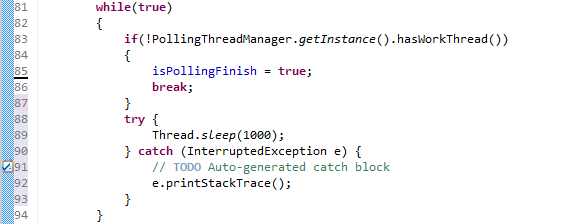
public class DelayExample { public static void main(String[] args) { try { System.out.println("开始休眠"); Thread.sleep(5000); // 休眠5秒 System.out.println("休眠结束"); } catch (InterruptedException e) { e.printStackTrace(); } } }
使用ScheduledExecutorService
这种方式更适用于需要定期执行的任务。ScheduledExecutorService可以安排任务在给定的延迟后运行。
import java.util.concurrent.Executors; import java.util.concurrent.ScheduledExecutorService; import java.util.concurrent.TimeUnit; public class DelayExample { public static void main(String[] args) { ScheduledExecutorService executor = Executors.newScheduledThreadPool(1); executor.schedule(() > { System.out.println("延迟执行的任务"); }, 5, TimeUnit.SECONDS); } }
使用CountDownLatch
CountDownLatch是一个同步辅助类,在完成一组操作之前允许当前线程等待。

import java.util.concurrent.CountDownLatch; public class DelayExample { public static void main(String[] args) throws InterruptedException { CountDownLatch latch = new CountDownLatch(1); new Thread(() > { try { System.out.println("开始休眠"); Thread.sleep(5000); System.out.println("休眠结束"); } catch (InterruptedException e) { e.printStackTrace(); } finally { latch.countDown(); } }).start(); latch.await(); } }
使用CompletableFuture
CompletableFuture是Java 8引入的一个类,可以用来异步执行任务,并在任务完成后执行某些操作。
import java.util.concurrent.CompletableFuture; public class DelayExample { public static void main(String[] args) { CompletableFuture.runAsync(() > { try { System.out.println("开始休眠"); Thread.sleep(5000); System.out.println("休眠结束"); } catch (InterruptedException e) { e.printStackTrace(); } }).thenRun(() > System.out.println("异步任务完成")); } }
| 方法 | 描述 | 代码示例 |
|---|---|---|
| Thread.sleep() | 直接暂停当前线程 | Thread.sleep(5000); |
| ScheduledExecutorService | 定时执行任务 | executor.schedule(() > ..., 5, TimeUnit.SECONDS); |
| CountDownLatch | 等待其他线程完成 | latch.await(); |
| CompletableFuture | 异步执行任务 | CompletableFuture.runAsync(() > ..., thenRun(() > ...)); |
FAQs
Q1: 如何在Java中实现延迟执行一个任务?
A1: 在Java中,你可以使用Thread.sleep()方法、ScheduledExecutorService、CountDownLatch或CompletableFuture来实现延迟执行,每种方法都有其特定的用途和场景。
Q2: Thread.sleep()和ScheduledExecutorService有什么区别?
A2: Thread.sleep()会暂停当前线程,直到指定的毫秒数过去,而ScheduledExecutorService不仅可以实现延迟执行,还可以安排任务在给定的时间间隔后定期执行。ScheduledExecutorService更适合需要定期执行的任务。