上一篇
Java中停止线程的快捷键操作方法是什么?
在Java中,停止线程是一个复杂的话题,因为Java没有提供直接的停止线程的方法,我们可以通过以下几种方法来实现线程的停止:
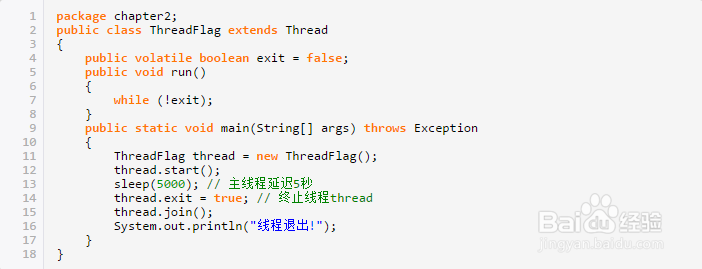
使用标志位(Flag)
这是一种常用的方法,通过设置一个标志位来通知线程何时停止。
- 创建一个布尔类型的变量作为标志位。
- 在线程的run方法中,检查这个标志位。
- 当需要停止线程时,将标志位设置为false。
public class StopThread { private volatile boolean stopRequested = false; public void stopThread() { stopRequested = true; } public void runThread() { while (!stopRequested) { // 执行任务 System.out.println("线程正在运行"); try { Thread.sleep(1000); } catch (InterruptedException e) { Thread.currentThread().interrupt(); } } System.out.println("线程已停止"); } public static void main(String[] args) { StopThread stopThread = new StopThread(); Thread thread = new Thread(stopThread::runThread); thread.start(); try { Thread.sleep(5000); } catch (InterruptedException e) { e.printStackTrace(); } stopThread.stopThread(); } }
使用中断(Interrupt)
Java线程通过调用interrupt()方法来中断线程,当线程调用sleep()、wait()或join()等阻塞方法时,如果线程被中断,则会抛出InterruptedException。
使用volatile变量
当使用volatile变量时,每次读取变量都会从主内存中读取,这样就可以确保线程间的可见性。

public class StopThreadWithVolatile { private volatile boolean stopRequested = false; public void runThread() { while (!stopRequested) { // 执行任务 System.out.println("线程正在运行"); try { Thread.sleep(1000); } catch (InterruptedException e) { Thread.currentThread().interrupt(); } } System.out.println("线程已停止"); } public void stopThread() { stopRequested = true; } public static void main(String[] args) { StopThreadWithVolatile stopThread = new StopThreadWithVolatile(); Thread thread = new Thread(stopThread::runThread); thread.start(); try { Thread.sleep(5000); } catch (InterruptedException e) { e.printStackTrace(); } stopThread.stopThread(); } }
方法比较
| 方法 | 优点 | 缺点 |
|---|---|---|
| 标志位 | 简单易用 | 可能存在死锁 |
| 中断 | 适用于各种情况 | 需要捕获InterruptedException |
| volatile变量 | 确保线程间的可见性 | 性能较差 |
FAQs
Q1:为什么Java没有提供直接的停止线程的方法?
A1:Java的设计哲学是“一切皆对象”,线程也不例外,Java设计者认为,线程的创建、运行和销毁都应该由程序员来控制,而不是由系统自动管理。
Q2:在停止线程时,为什么要捕获InterruptedException?
A2:在Java中,当线程被中断时,会抛出InterruptedException,如果不捕获这个异常,程序可能会出现异常行为,如线程无法正确地停止,捕获InterruptedException是处理线程中断的一种常见做法。