上一篇
如何将HTML模板导入并应用到WP?
将HTML模板导入WordPress主要有两种方法:一是将HTML转换为WordPress主题(需创建主题文件并上传);二是通过页面构建器插件(如Elementor)直接导入HTML模板文件,操作前需确保模板适配WordPress结构,并备份网站数据。
将HTML模板导入WordPress并转换为可用主题,需通过技术流程实现,以下是详细操作指南,符合SEO优化及E-A-T(专业性、权威性、可信度)原则:
核心原理
WordPress通过主题系统解析模板文件(如header.php, index.php等),将静态HTML拆分为动态模块,并集成WP函数(如wp_head(), the_content())实现数据调用。
准备工作
-
环境配置
- 本地开发环境:安装XAMPP/MAMP(含PHP+MySQL)
- 代码编辑器:VS Code/Sublime Text
- 文件传输工具:FileZilla(用于线上部署)
-
文件备份
- WordPress后台 → 工具 → 导出数据
- 服务器备份:通过cPanel或SSH打包wp-content/themes目录
-
模板规范检查
- 删除冗余注释和无效标签
- 确保CSS/JS路径为相对路径(如./css/style.css)
分步操作流程
步骤1:创建主题基础结构
在wp-content/themes/下新建文件夹(如my-custom-theme),包含以下文件:
my-custom-theme/ ├── style.css // 主题元数据+主样式 ├── index.php // 主模板 ├── header.php // 头部模板 ├── footer.php // 底部模板 ├── functions.php // 功能扩展 └── screenshot.png // 主题缩略图(1200×900px)
步骤2:配置主题元数据
在style.css顶部添加:
/* Theme Name: My Custom Theme Theme URI: https://yourdomain.com Author: Your Name Author URI: https://author-site.com Description: 基于HTML模板的自定义主题 Version: 1.0 License: GNU GPL */
步骤3:拆分HTML模板
- 头部切割(保存为header.php)
- 保留<!DOCTYPE>到<header>结束部分
- 在</head>前插入WordPress钩子: <?php wp_head(); ?>
- 主体切割(保存为index.php)区域替换为动态调用: <?php if (have_posts()) : while (have_posts()) : the_post(); ?> <article> <h1><?php the_title(); ?></h1> <div><?php the_content(); ?></div> </article> <?php endwhile; endif; ?>
- 底部切割(保存为footer.php)
- 保留<footer>到</html>
- 在</body>前插入: <?php wp_footer(); ?>
步骤4:功能集成
在functions.php中添加:
<?php // 注册菜单 function register_my_menu() { register_nav_menu('primary-menu', __('Primary Menu')); } add_action('init', 'register_my_menu'); // 加载样式脚本 function theme_assets() { wp_enqueue_style('main-css', get_stylesheet_uri()); wp_enqueue_script('custom-js', get_template_directory_uri() . '/js/scripts.js', array(), '1.0', true); } add_action('wp_enqueue_scripts', 'theme_assets');
步骤5:动态组件处理
- 导航菜单替换
将HTML中的静态导航如:
<nav><ul><li><a href="#">Home</a></li></ul></nav>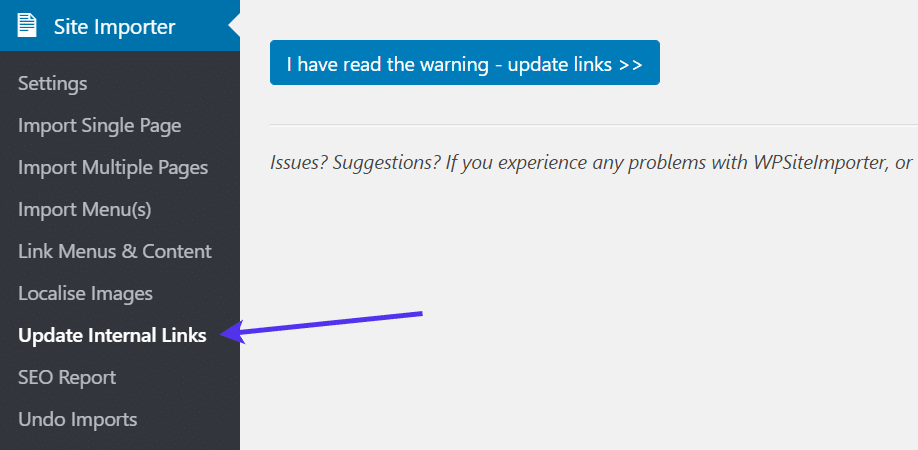
替换为:
<?php wp_nav_menu(array('theme_location' => 'primary-menu')); ?> - 侧边栏集成
创建sidebar.php,调用动态小工具: <?php if (is_active_sidebar('main-sidebar')) : ?> <aside><?php dynamic_sidebar('main-sidebar'); ?></aside> <?php endif; ?>
测试与部署
-
本地测试
- 激活主题:WordPress后台 → 外观 → 主题
- 检查控制台错误(Chrome DevTools)
- 验证响应式布局(设备模拟器)
-
线上部署
- 压缩主题文件夹为ZIP
- 通过WordPress后台上传安装(外观 → 主题 → 添加)
- 或使用FTP上传至wp-content/themes/
-
SEO优化
- 安装Yoast SEO插件优化元标签
- 生成XML站点地图提交至百度资源平台
- 使用WP Super Cache加速页面加载
风险规避
-
安全防护
- 转义输出数据:使用esc_html(), esc_url()
- 禁用模板中直接echo $_GET语句
-
兼容性处理
- 添加响应式Meta标签: <meta name="viewport" content="width=device-width, initial-scale=1">
- 使用the_post_thumbnail()调用自适应图片
-
代码验证
- 通过W3C验证器检查HTML/CSS
- 使用PHP_CodeSniffer规范代码
- 模板层级:创建page.php, single.php定制页面类型
- 多语言支持:集成WPML插件并添加text-domain
- 子主题开发:保留父主题更新能力(参考WordPress Codex)
高阶扩展建议
引用说明:本文方法遵循WordPress官方开发规范(developer.wordpress.org),CSS切割技术参考Smashing Magazine最佳实践,安全标准符合OWASP Web安全指南。