上一篇
Java中实现延时有哪些方法与技巧?详细探讨延时执行的最佳实践。
在Java中实现延时主要有几种方式,包括使用Thread.sleep(), ScheduledExecutorService, CountDownLatch, CyclicBarrier等,以下是对这些方法的详细介绍和示例。
使用Thread.sleep()
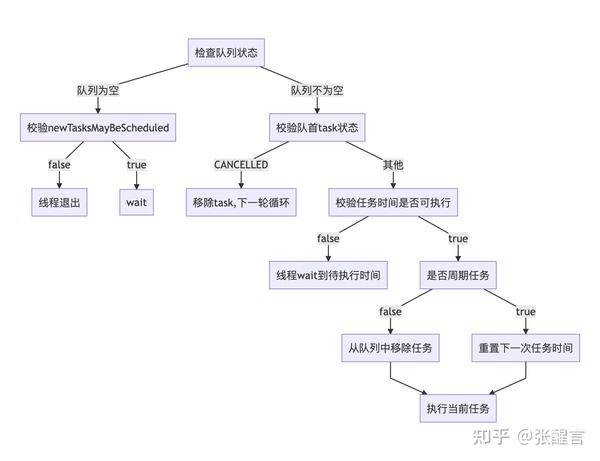
Thread.sleep()是Java中最常用的实现延时的方法,它可以使当前线程暂停执行指定的时间。
| 方法参数 | 说明 |
|---|---|
| long millis | 指定线程暂停的毫秒数 |
| int nanos | 指定线程暂停的纳秒数(可选) |
public class SleepExample { public static void main(String[] args) { try { System.out.println("Thread will sleep for 2 seconds."); Thread.sleep(2000); // 2秒 System.out.println("Thread woke up."); } catch (InterruptedException e) { e.printStackTrace(); } } }
使用ScheduledExecutorService
ScheduledExecutorService是Java 5引入的一个更高级的线程池实现,它可以安排在给定的延迟后运行任务。
| 方法 | 说明 |
|---|---|
| schedule(Runnable command, long delay, TimeUnit unit) | 在给定延迟后执行一次任务 |
| scheduleAtFixedRate(Runnable command, long initialDelay, long period, TimeUnit unit) | 在给定延迟后以固定速率重复执行任务 |
| scheduleWithFixedDelay(Runnable command, long initialDelay, long delay, TimeUnit unit) | 在给定延迟后以固定延迟重复执行任务 |
import java.util.concurrent.Executors; import java.util.concurrent.ScheduledExecutorService; import java.util.concurrent.TimeUnit; public class ScheduledExecutorServiceExample { public static void main(String[] args) { ScheduledExecutorService executor = Executors.newScheduledThreadPool(1); executor.schedule(() > { System.out.println("Task will run after 2 seconds."); }, 2, TimeUnit.SECONDS); executor.shutdown(); } }
使用CountDownLatch
CountDownLatch是一个同步辅助类,允许一个或多个线程等待其他线程完成操作。
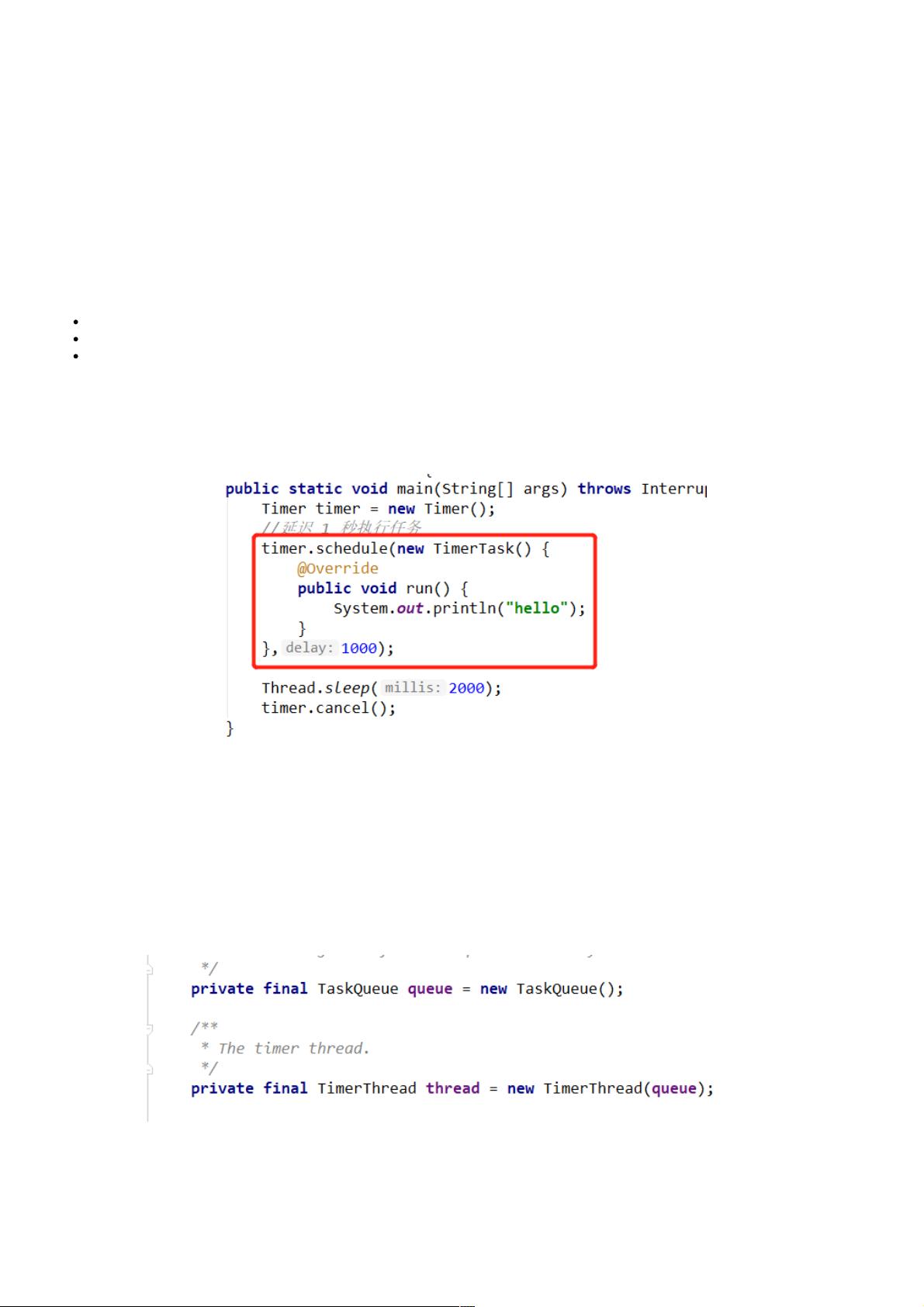
| 方法 | 说明 |
|---|---|
| CountDownLatch(int count) | 创建一个具有给定计数的CountDownLatch |
| await() | 当前线程等待直到计数器为0 |
| countDown() | 将计数器减1 |
import java.util.concurrent.CountDownLatch; public class CountDownLatchExample { public static void main(String[] args) { CountDownLatch latch = new CountDownLatch(2); new Thread(() > { try { System.out.println("Thread 1 will sleep for 2 seconds."); Thread.sleep(2000); latch.countDown(); } catch (InterruptedException e) { e.printStackTrace(); } }).start(); new Thread(() > { try { System.out.println("Thread 2 will sleep for 3 seconds."); Thread.sleep(3000); latch.countDown(); } catch (InterruptedException e) { e.printStackTrace(); } }).start(); try { System.out.println("Main thread will wait for other threads to finish."); latch.await(); System.out.println("All threads finished."); } catch (InterruptedException e) { e.printStackTrace(); } } }
使用CyclicBarrier
CyclicBarrier是一个同步辅助类,在涉及固定大小的线程组时非常有用,当线程到达某个点时,它们必须等待直到所有线程都到达该点。
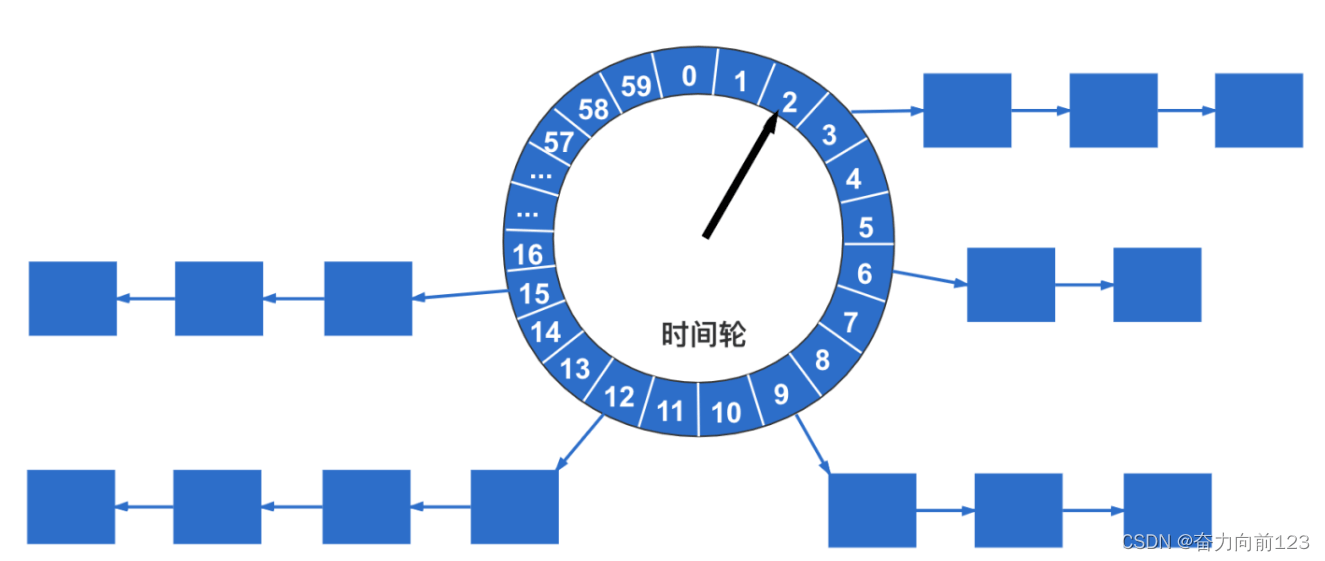
| 方法 | 说明 |
|---|---|
| CyclicBarrier(int parties) | 创建一个CyclicBarrier |
| await() | 当前线程等待直到所有线程都到达屏障点 |
import java.util.concurrent.CyclicBarrier; public class CyclicBarrierExample { public static void main(String[] args) { CyclicBarrier barrier = new CyclicBarrier(2, () > { System.out.println("All threads reached the barrier."); }); new Thread(() > { try { System.out.println("Thread 1 reached the barrier."); barrier.await(); } catch (Exception e) { e.printStackTrace(); } }).start(); new Thread(() > { try { System.out.println("Thread 2 reached the barrier."); barrier.await(); } catch (Exception e) { e.printStackTrace(); } }).start(); } }
FAQs
Q1: Java中实现延时,哪种方法最好?
A1: 这取决于具体的应用场景,如果只是简单的暂停线程,Thread.sleep()是最简单的方法,如果需要更复杂的定时任务,可以使用ScheduledExecutorService,如果需要多个线程协同工作,可以使用CountDownLatch或CyclicBarrier。
Q2: 如何处理Thread.sleep()中的异常?
A2: 在调用Thread.sleep()时,可能会抛出InterruptedException异常,为了防止程序在异常发生时立即退出,可以使用trycatch语句捕获异常,并根据需要进行处理,在示例中,捕获异常后打印了异常堆栈信息。