上一篇
java finally方法怎么写
`java,try {, // 可能抛出异常的代码,} catch (Exception e) {, // 处理异常,} finally {, // 一定会执行的清理代码,},
Java编程中,finally块是异常处理机制中的一个重要组成部分,它通常与try-catch语句一起使用,用于确保无论是否发生异常,某些关键的代码都会被执行,下面将详细介绍如何在Java中编写和使用finally方法。
finally块的基本语法
finally块位于try-catch结构的最后,其基本语法结构如下:
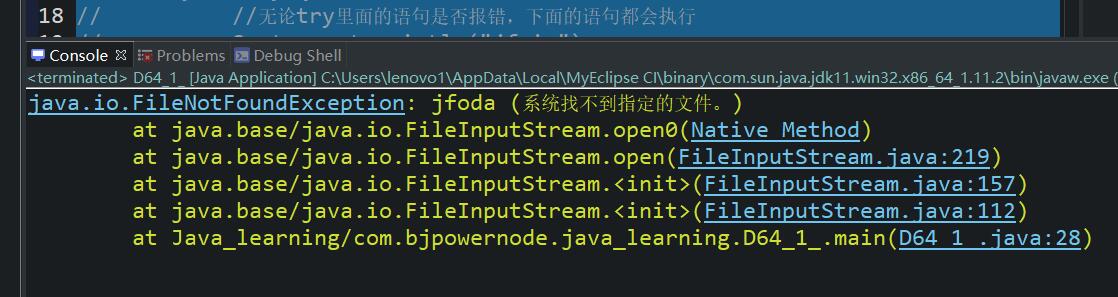
finally块的作用
- 资源释放:常用于关闭文件、释放数据库连接等资源,确保资源不会因为异常而泄漏。
- 清理工作:执行一些必要的清理操作,如重置变量、释放锁等。
- 保证执行:即使在try块或catch块中有return、break、continue等语句,finally块中的代码也会被执行。
示例代码
以下是一个使用finally块的示例,演示如何在读取文件时确保文件流被正确关闭:
import java.io.BufferedReader; import java.io.FileReader; import java.io.IOException; public class FinallyExample { public static void main(String[] args) { BufferedReader reader = null; try { reader = new BufferedReader(new FileReader("example.txt")); String line; while ((line = reader.readLine()) != null) { System.out.println(line); } } catch (IOException e) { System.err.println("读取文件时发生错误: " + e.getMessage()); } finally { if (reader != null) { try { reader.close(); } catch (IOException e) { System.err.println("关闭文件时发生错误: " + e.getMessage()); } } } } }
finally块的执行顺序
| 情况 | try块 | catch块 | finally块 |
|---|---|---|---|
| 无异常 | 执行 | 不执行 | 执行 |
| 有异常 | 执行到异常点 | 执行 | 执行 |
| try块中有return | 执行到return前 | 不执行(除非有对应异常) | 执行 |
注意事项
- 避免在finally中抛出异常:如果finally块中的代码抛出了异常,它会覆盖try块或catch块中的异常,导致原始异常丢失。
- 不要在finally中修改控制流:不要在finally中使用return,这会导致不可预测的行为。
- 资源管理:自Java 7引入的try-with-resources语句可以自动管理资源,减少对finally的依赖。
try-with-resources的使用
try-with-resources是Java 7引入的一种简化资源管理的语法,它会自动关闭实现了AutoCloseable接口的资源,以下是使用try-with-resources的示例:
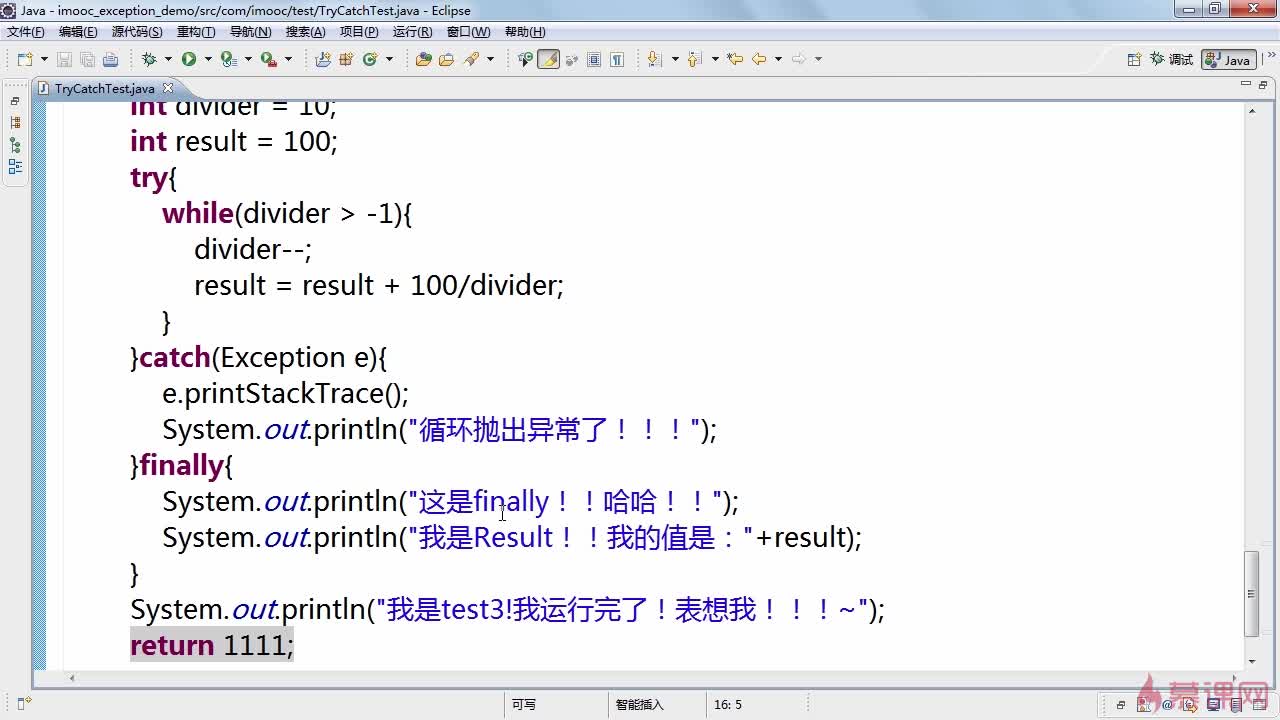
import java.io.BufferedReader; import java.io.FileReader; import java.io.IOException; public class TryWithResourcesExample { public static void main(String[] args) { try (BufferedReader reader = new BufferedReader(new FileReader("example.txt"))) { String line; while ((line = reader.readLine()) != null) { System.out.println(line); } } catch (IOException e) { System.err.println("读取文件时发生错误: " + e.getMessage()); } } }
常见问题及解答
FAQs
问题1:finally块中的代码一定会执行吗?
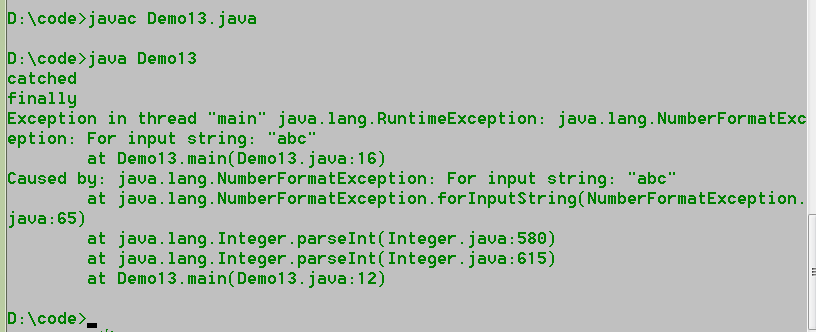
答:通常情况下,finally块中的代码会执行,无论try块中是否发生异常,如果在try或catch块中执行了System.exit(),或者线程被中断,finally块可能不会执行,如果finally块中的代码本身抛出了异常,也可能导致后续代码不被执行。
问题2:try-with-resources和finally块有什么区别?
答:try-with-resources是Java 7引入的一种简化资源管理的语法,它会自动关闭实现了AutoCloseable接口的资源,减少了手动编写finally块的需要,而finally块需要手动编写代码来关闭资源,且容易出错,使用try-with-resources可以使代码更简洁、更安全。
通过以上介绍,相信您对Java中finally块的使用方法有了更深入的理解,在实际编程中,合理使用finally块和try-with-resources语句,可以有效管理资源,