上一篇
Java中关闭特定线程的方法和最佳实践是什么?
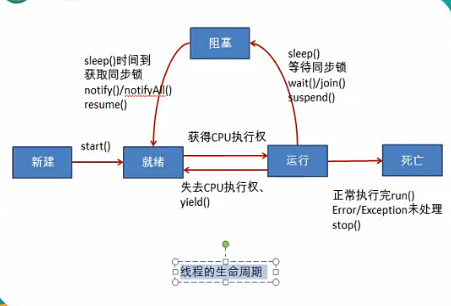
在Java中关闭某个线程的方法有几种,以下是一些常用的方法:
使用标志变量(volatile boolean running)
这种方法是通过设置一个标志变量来控制线程的运行,当标志变量为false时,线程会在下一次循环时检查该标志变量,并退出循环从而结束线程。
代码示例:
使用stop()方法
在Java早期版本中,可以使用stop()方法来停止线程,这种方法已经不推荐使用,因为它可能会导致线程处于不稳定状态,从而引发一些不可预料的问题。
代码示例:
public class MyThread extends Thread { @Override public void run() { try { Thread.sleep(1000); } catch (InterruptedException e) { e.printStackTrace(); } } } public class Main { public static void main(String[] args) { MyThread thread = new MyThread(); thread.start(); // 暂停一段时间,让线程开始执行 try { Thread.sleep(1000); } catch (InterruptedException e) { e.printStackTrace(); } // 停止线程 thread.stop(); } }
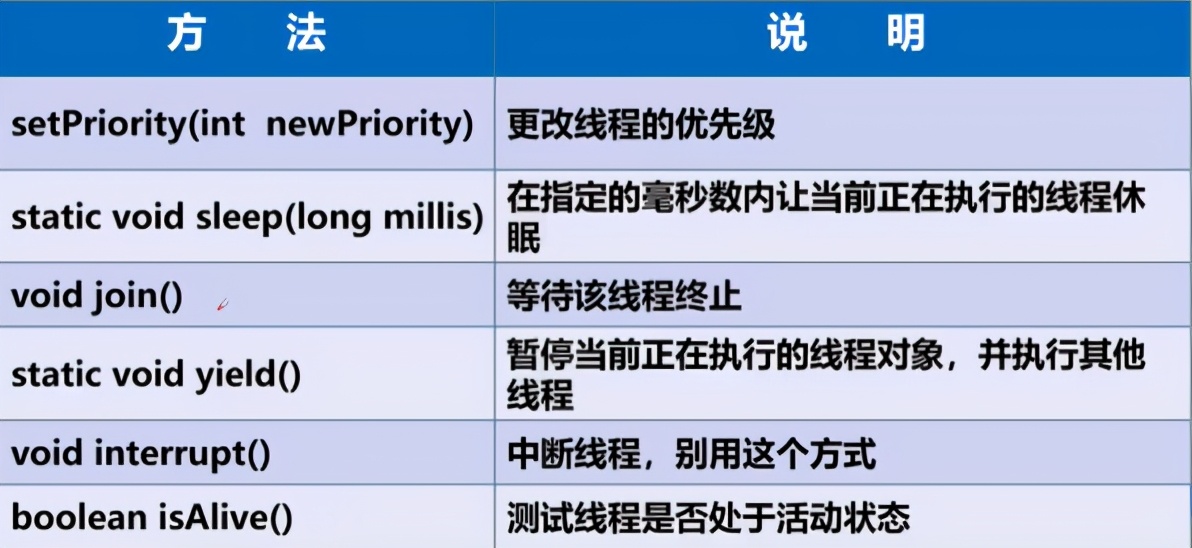
使用interrupt()方法
interrupt()方法可以向线程发送中断信号,线程会捕获到这个信号后,可以检查中断状态并结束执行。
代码示例:
public class MyThread extends Thread { @Override public void run() { while (!Thread.currentThread().isInterrupted()) { // 执行任务 } } } public class Main { public static void main(String[] args) { MyThread thread = new MyThread(); thread.start(); // 暂停一段时间,让线程开始执行 try { Thread.sleep(1000); } catch (InterruptedException e) { e.printStackTrace(); } // 发送中断信号 thread.interrupt(); } }
使用ExecutorService管理线程
如果使用ExecutorService来管理线程,可以使用shutdown()方法来停止线程池中的所有线程。
代码示例:
import java.util.concurrent.ExecutorService; import java.util.concurrent.Executors; public class MyThread implements Runnable { @Override public void run() { // 执行任务 } } public class Main { public static void main(String[] args) { ExecutorService executor = Executors.newFixedThreadPool(1); MyThread thread = new MyThread(); executor.execute(thread); // 暂停一段时间,让线程开始执行 try { Thread.sleep(1000); } catch (InterruptedException e) { e.printStackTrace(); } // 停止线程池 executor.shutdown(); } }
表格对比
| 方法 | 优点 | 缺点 | 适用场景 |
|---|---|---|---|
| 标志变量 | 简单易用,不会导致线程处于不稳定状态 | 需要手动控制线程的结束 | 适用于大多数场景 |
| stop()方法 | 早期版本中使用,简单易用 | 不推荐使用,可能导致线程处于不稳定状态 | 已不推荐使用 |
| interrupt()方法 | 可以捕获中断信号,结束线程执行 | 需要在线程内部捕获中断信号 | 适用于需要优雅停止线程的场景 |
| ExecutorService | 可以管理多个线程,方便使用 | 需要使用线程池 | 适用于需要管理多个线程的场景 |
FAQs
问题1:使用interrupt()方法停止线程时,线程会立即停止吗?
答案1:不会,使用interrupt()方法只是向线程发送了一个中断信号,线程是否立即停止取决于线程的状态,如果线程处于阻塞状态(如sleep()、wait()等),则线程会抛出InterruptedException异常,此时可以检查中断状态并退出循环,从而结束线程,如果线程处于非阻塞状态,则可能需要在线程内部捕获中断信号并处理。
问题2:如何确保线程池中的所有线程都被停止?
答案2:可以使用ExecutorService的shutdown()方法来停止线程池中的所有线程,该方法会首先将线程池的状态设置为SHUTDOWN,然后拒绝所有新的任务提交,并等待当前正在执行的任务执行完毕,如果需要立即停止所有线程,可以使用shutdownNow()方法,它会尝试立即停止所有正在执行的任务,并返回尚未开始执行的任务列表。