上一篇
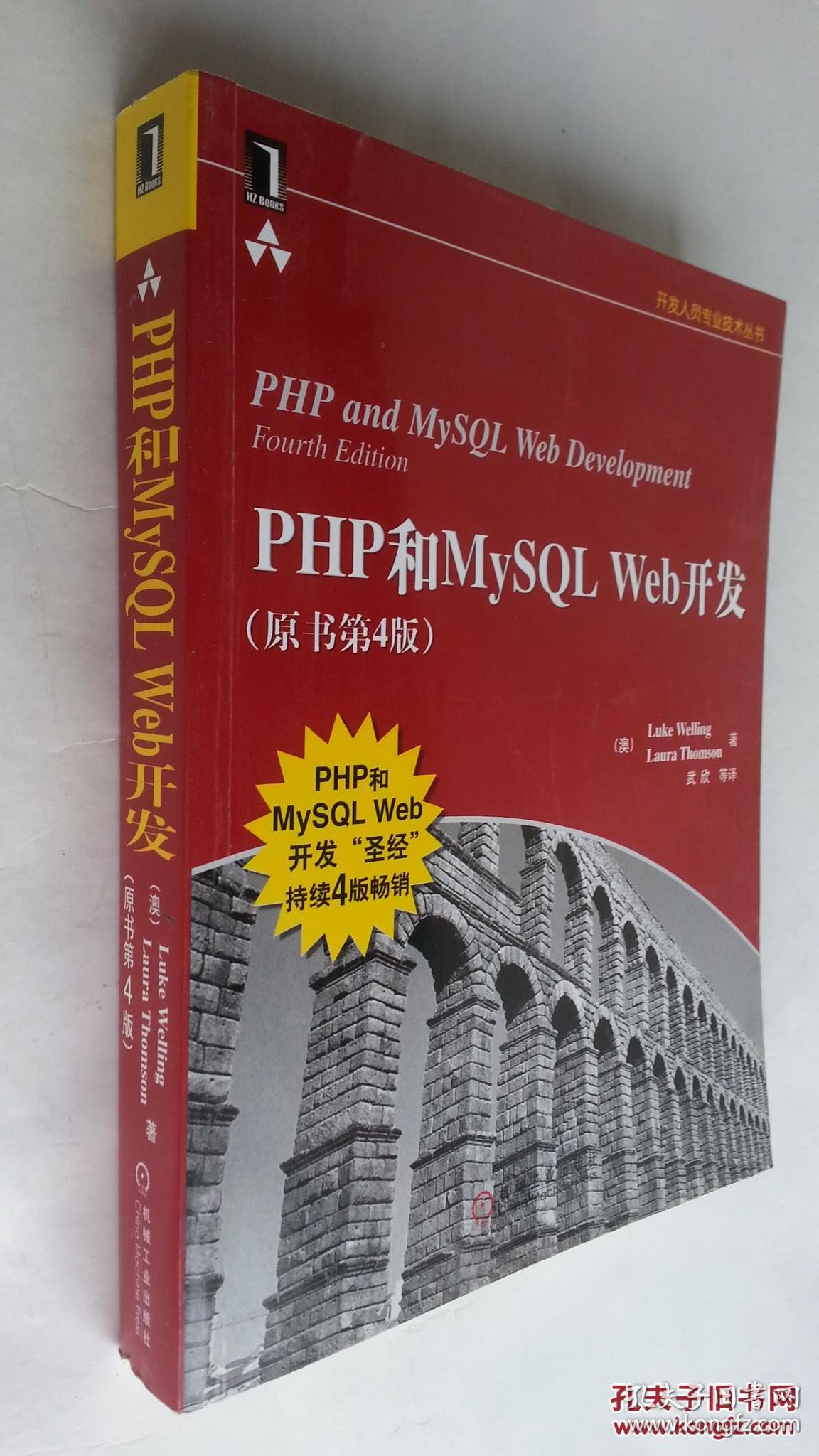
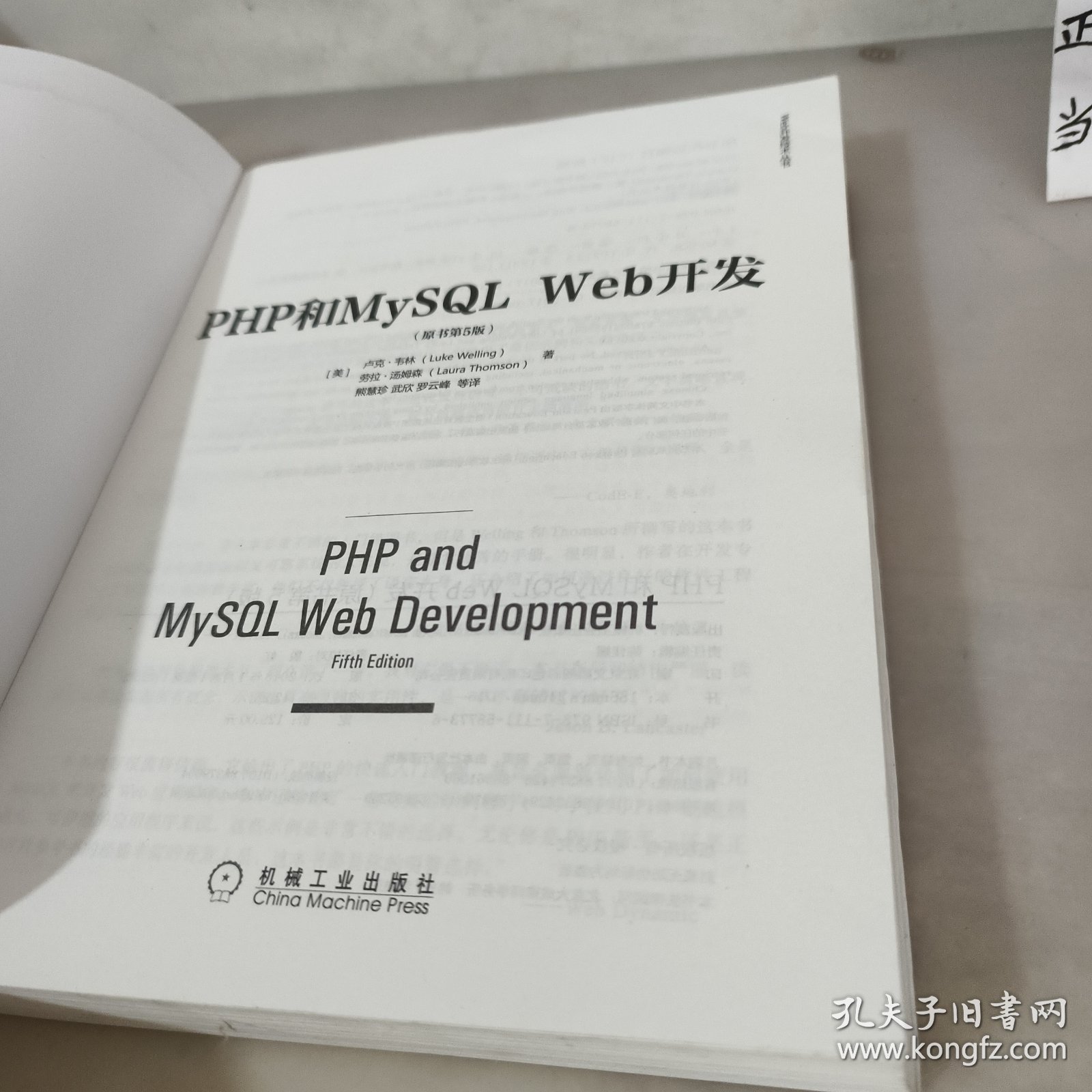
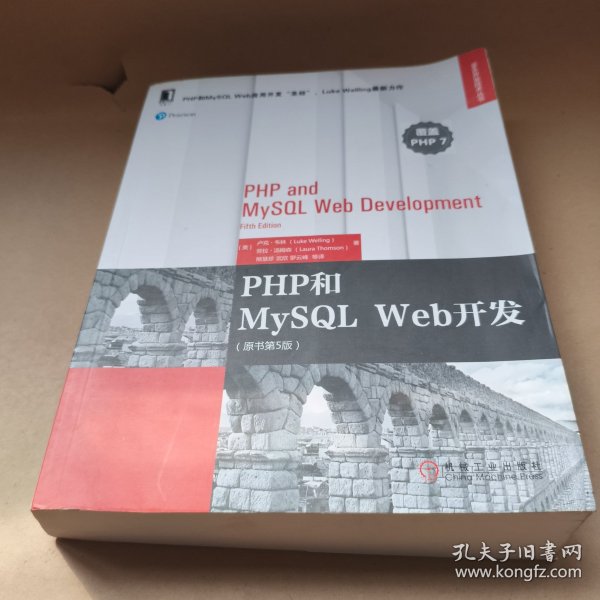
php和mysql web开发英文版适合零基础自学吗?
PHP and MySQL have long been a cornerstone of web development, powering a significant portion of the internet with their robust, opensource, and flexible nature. This combination provides developers with a powerful toolkit to build dynamic, datadriven websites and applications that can handle everything from small personal blogs to largescale enterprise systems.
At its core, PHP (Hypertext Preprocessor) is a serverside scripting language designed specifically for web development. It excels at embedding HTML, handling form data, interacting with databases, and generating dynamic content. One of PHP’s greatest strengths is its simplicity; it is easy to learn for beginners yet powerful enough for complex projects. It supports multiple programming paradigms, including procedural, objectoriented, and functional programming, allowing developers to choose the approach that best fits their needs. PHP also boasts a vast ecosystem of frameworks—such as Laravel, Symfony, and CodeIgniter—which streamline development by providing prebuilt modules, routing systems, and security features. These frameworks help developers write cleaner, more maintainable code while reducing the risk of common vulnerabilities like SQL injection and crosssite scripting (XSS).
Complementing PHP, MySQL is a relational database management system (RDBMS) that stores, organizes, and retrieves data efficiently. It uses structured query language (SQL) to manage data, making it intuitive for developers to perform operations like inserting, updating, deleting, and querying records. MySQL is known for its speed, reliability, and scalability, capable of handling everything from small datasets to massive databases with millions of records. It supports ACID (Atomicity, Consistency, Isolation, Durability) transactions, ensuring data integrity even in highconcurrency environments. Additionally, MySQL integrates seamlessly with PHP through extensions like MySQLi and PDO (PHP Data Objects), which simplify database interactions. PDO, in particular, offers a consistent interface for working with multiple database systems, making it a versatile choice for developers who may need to switch databases in the future.
Together, PHP and MySQL form a dynamic duo for web development. The typical workflow involves PHP scripts processing user requests, querying the MySQL database for or storing data, and then rendering the results as HTML in the user’s browser. For example, when a user logs into a website, PHP might verify their credentials by querying a MySQL table containing user information. If the credentials are valid, PHP generates a personalized dashboard; otherwise, it displays an error message. This backandforth between the serverside PHP script and the MySQL database enables the creation of interactive, usercentric applications.
To illustrate their synergy, consider a simple ecommerce application. PHP would handle user authentication, product browsing, and cart management, while MySQL would store user accounts, product details, inventory levels, and order history. When a user adds an item to their cart, PHP updates the session data and, if they check out, inserts a new record into the orders table in MySQL. This separation of concerns—PHP managing logic and MySQL managing data—ensures a clean, scalable architecture.
Below is a basic comparison of PHP and MySQL in the context of web development:
| Feature | PHP | MySQL |
|---|---|---|
| Primary Role | Serverside scripting language | Relational database management system |
| Key Strength | Dynamic content generation, frameworks | Data storage, querying, scalability |
| Interaction | Executes scripts, queries MySQL | Stores/retrieves data via SQL |
| Common Use Cases | Web apps, APIs, content management | User data, product catalogs, logs |
Despite their popularity, PHP and MySQL are not without challenges. PHP has faced criticism for its inconsistent function naming and historical security vulnerabilities, but modern versions (PHP 7+) have addressed many of these issues with improved performance and stricter error handling. MySQL, while robust, requires careful optimization for hightraffic applications, such as indexing tables and using caching mechanisms like Redis.
In conclusion, PHP and MySQL remain a dominant force in web development due to their accessibility, power, and extensive community support. Whether you’re building a blog, an ecommerce site, or a SaaS application, this combination provides the tools needed to create scalable, secure, and featurerich web experiences. As web technologies continue to evolve, PHP and MySQL are also adapting, with ongoing updates ensuring their relevance in an everchanging digital landscape.
FAQs
-
Q: Is PHP still relevant in 2025 with the rise of modern frameworks like React and Vue?
A: Yes, PHP remains highly relevant for serverside development. While frontend frameworks like React and Vue handle user interfaces, PHP excels at backend logic, database interactions, and API development. Its mature ecosystem, ease of use, and widespread adoption ensure its continued use in web projects.
-
Q: How does MySQL compare to NoSQL databases like MongoDB for web development?
A: MySQL is a relational database, ideal for structured data with strong consistency requirements (e.g., ecommerce transactions). NoSQL databases like MongoDB are better suited for unstructured or semistructured data, scalability, and flexible schemas. The choice depends on the project’s needs—MySQL for relational integrity, MongoDB for flexibility and horizontal scaling.