上一篇
Java集合方法构造之谜,究竟如何巧妙运用,构建高效数据结构?
在Java中,集合(Collections)是用于存储、检索、更新和删除对象的容器,Java提供了多种集合类,如ArrayList、LinkedList、HashSet、HashMap等,构造集合的方法主要有以下几种:
使用类名直接创建对象
这种方法是最简单的一种,只需要直接使用类名创建对象即可。
| 集合类型 | 示例代码 |
|---|---|
| ArrayList | List |
| LinkedList | List |
| HashSet | Set |
| HashMap | Map<String, Integer> map = new HashMap<>(); |
| TreeMap | Map<String, Integer> map = new TreeMap<>(); |
| PriorityQueue | PriorityQueue |
| Stack | Stack |
| Vector | Vector |
| Stack | Stack |
| Enumeration | Enumeration |
使用泛型创建对象
泛型是一种类型安全的机制,可以确保在编译时类型错误,使用泛型创建集合对象可以避免在运行时出现类型错误。
| 集合类型 | 示例代码 |
|---|---|
| ArrayList | List
|
| LinkedList | List
|
| HashSet | Set
|
| HashMap | Map<String, Integer> map = new HashMap<String, Integer>(); |
| TreeMap | Map<String, Integer> map = new TreeMap<String, Integer>(); |
| PriorityQueue | PriorityQueue
|
| Stack | Stack
|
| Vector | Vector
|
| Stack | Stack
|
| Enumeration | Enumeration |
使用构造函数创建对象
许多集合类提供了多个构造函数,可以根据需要选择合适的构造函数创建对象。

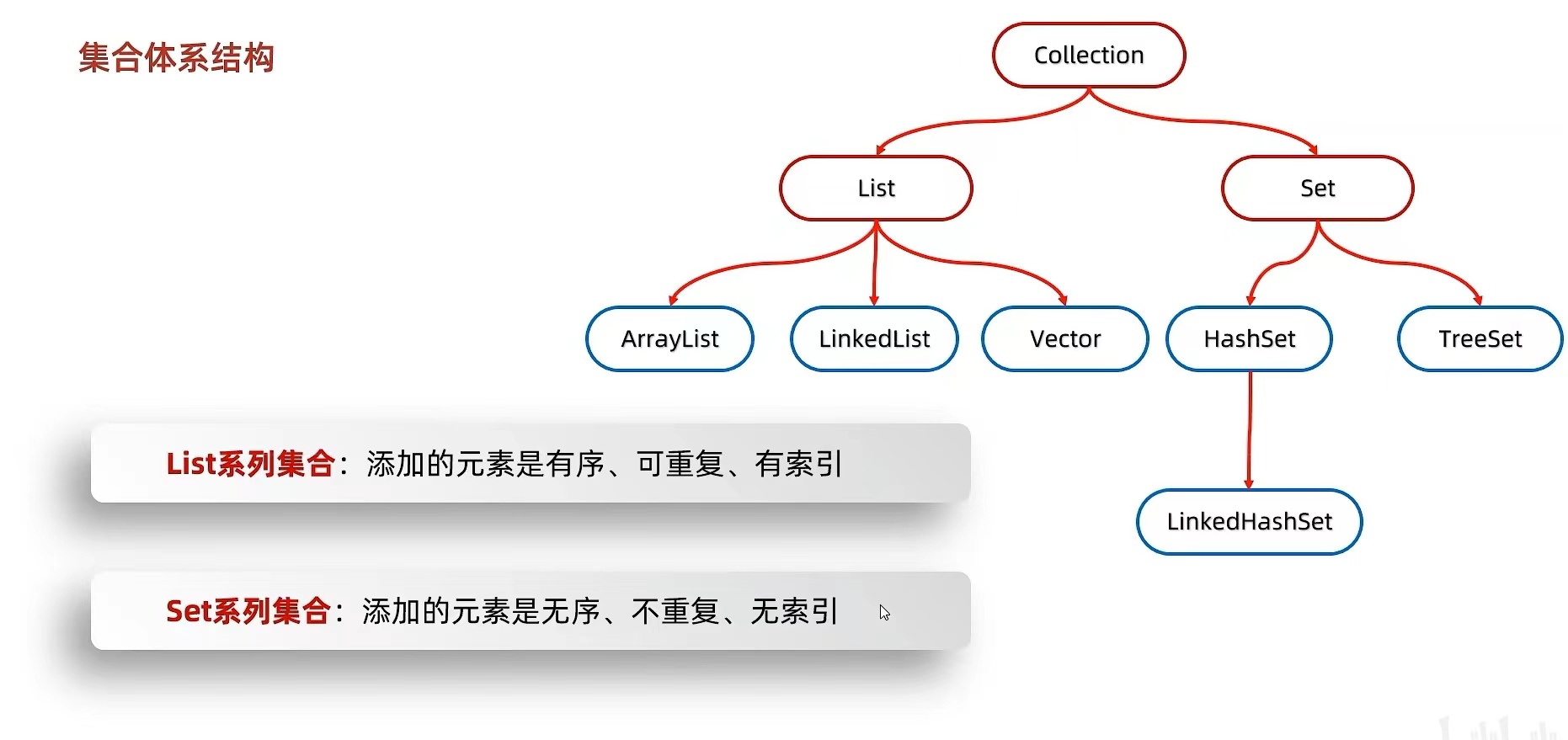
| 集合类型 | 示例代码 |
|---|---|
| ArrayList | List |
| LinkedList | List |
| HashSet | Set |
| HashMap | Map<String, Integer> map = new HashMap<>(3, 0.75f); |
| TreeMap | Map<String, Integer> map = new TreeMap<>(String.CASE_INSENSITIVE_ORDER); |
| PriorityQueue | PriorityQueue |
| Stack | Stack |
| Vector | Vector |
| Stack | Stack |
| Enumeration | Enumeration |
使用工厂方法创建对象
Java的Collections类提供了多个工厂方法,可以方便地创建集合对象。
| 工厂方法 | 示例代码 |
|---|---|
| ArrayList | List |
| LinkedList | List |
| HashSet | Set |
| HashMap | Map<String, Integer> map = Collections.synchronizedMap(new HashMap<>()); |
| TreeMap | Map<String, Integer> map = Collections.synchronizedSortedMap(new TreeMap<>()); |
| PriorityQueue | PriorityQueue |
| Stack | Stack |
| Vector | Vector |
| Stack | Stack |
| Enumeration | Enumeration |
FAQs
问题1:如何选择合适的集合类型?

解答:选择合适的集合类型取决于具体的应用场景,以下是一些选择集合类型的建议:
- 如果需要快速随机访问元素,可以使用ArrayList或HashMap。
- 如果需要快速插入和删除元素,可以使用LinkedList。
- 如果需要元素唯一性,可以使用HashSet或TreeSet。
- 如果需要有序元素,可以使用TreeMap或TreeSet。
问题2:如何将一个集合转换为另一个集合类型?
解答:可以使用Collections类提供的转换方法将一个集合转换为另一个集合类型,以下是一些示例:
- 将ArrayList转换为HashSet:Set
set = new HashSet<>(list); - 将HashMap转换为ArrayList:List
list = new ArrayList<>(map.keySet()); - 将TreeMap转换为HashMap:Map<String, Integer> map = new HashMap<>(new TreeMap<>());