上一篇
Java中String如何精确匹配字符或字符串,有哪些高效方法?
在Java中,String类提供了多种方法来匹配字符串,包括使用正则表达式、使用String类的内置方法以及使用StringBuffer或StringBuilder类,以下是一些常用的方法:
使用正则表达式匹配
正则表达式是Java中处理字符串匹配的强大工具,可以使用Pattern和Matcher类来实现。
示例代码:
import java.util.regex.Pattern; import java.util.regex.Matcher; public class RegexExample { public static void main(String[] args) { String text = "Hello, world!"; String regex = "world"; Pattern pattern = Pattern.compile(regex); Matcher matcher = pattern.matcher(text); if (matcher.find()) { System.out.println("匹配成功: " + matcher.group()); } else { System.out.println("匹配失败"); } } }
使用String类的内置方法
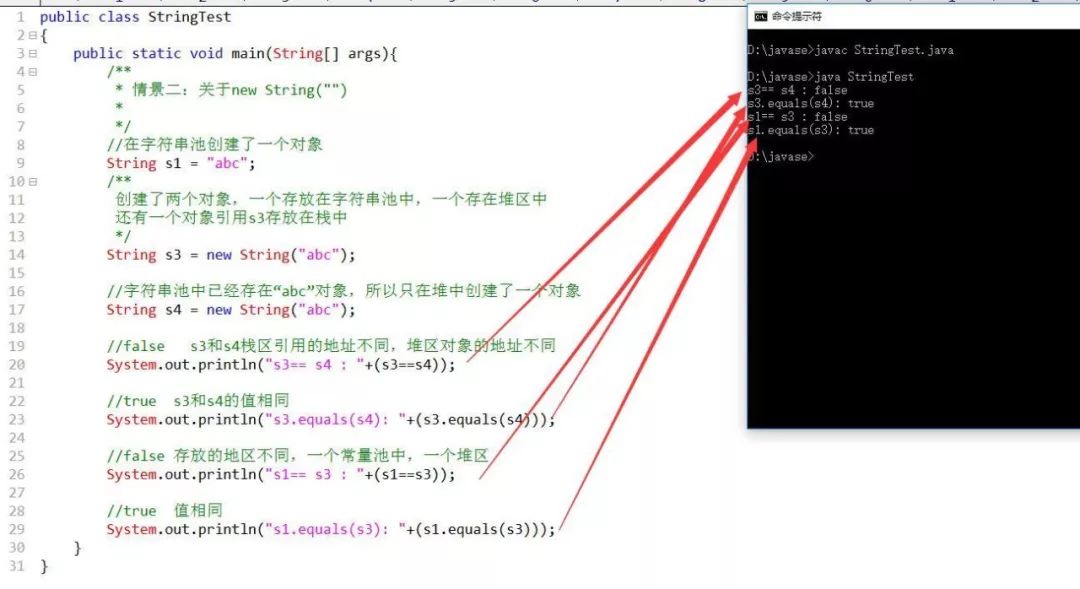
String类提供了一些内置方法来匹配字符串,如contains(), startsWith(), endsWith(), equals(), equalsIgnoreCase()等。
示例代码:
public class StringMethodExample { public static void main(String[] args) { String text = "Hello, world!"; String substring = "world"; System.out.println("contains: " + text.contains(substring)); System.out.println("startsWith: " + text.startsWith("Hello")); System.out.println("endsWith: " + text.endsWith("world")); System.out.println("equals: " + text.equals("Hello, world!")); System.out.println("equalsIgnoreCase: " + text.equalsIgnoreCase("hello, world!")); } }
使用StringBuffer或StringBuilder类
虽然StringBuffer和StringBuilder主要用于字符串的构建和修改,但它们也提供了indexOf()和lastIndexOf()方法来查找子字符串。
示例代码:
public class StringBufferExample { public static void main(String[] args) { StringBuffer sb = new StringBuffer("Hello, world!"); String substring = "world"; System.out.println("indexOf: " + sb.indexOf(substring)); System.out.println("lastIndexOf: " + sb.lastIndexOf(substring)); } }
| 方法 | 描述 | 示例 |
|---|---|---|
| Pattern.compile(regex) | 编译正则表达式 | Pattern.compile("world") |
| matcher(text) | 创建匹配器 | pattern.matcher(text) |
| find() | 检查是否存在匹配项 | matcher.find() |
| group() | 获取匹配的子字符串 | matcher.group() |
| contains(substring) | 检查字符串是否包含子字符串 | text.contains(substring) |
| startsWith(prefix) | 检查字符串是否以指定前缀开始 | text.startsWith("Hello") |
| endsWith(suffix) | 检查字符串是否以指定后缀结束 | text.endsWith("world") |
| equals(other) | 检查字符串是否相等 | text.equals("Hello, world!") |
| equalsIgnoreCase(other) | 检查字符串是否相等(忽略大小写) | text.equalsIgnoreCase("hello, world!") |
| indexOf(substring) | 返回子字符串在字符串中的索引 | sb.indexOf(substring) |
| lastIndexOf(substring) | 返回子字符串在字符串中的最后一个索引 | sb.lastIndexOf(substring) |
FAQs
Q1: 如何在Java中使用正则表达式匹配多个模式?
A1: 可以使用Pattern.compile()方法编译多个正则表达式,然后使用Matcher类的find()方法来检查每个模式是否匹配。
Q2: 如何在Java中使用String类的内置方法来检查字符串是否包含特定字符?
A2: 可以使用contains()方法来检查字符串是否包含特定子字符串。text.contains("a")将检查字符串text是否包含字符'a'。