上一篇
Java中如何精确判断字符串既非空也非空白字符?
在Java编程语言中,判断一个字符串是否为空,通常有以下几种方法:
使用 isEmpty() 方法
isEmpty() 方法是 String 类的一个内置方法,用于检查字符串是否为空,一个字符串为空的条件是它不包含任何字符,即长度为0。
String str = ""; if (str.isEmpty()) { System.out.println("字符串为空"); } else { System.out.println("字符串不为空"); }
使用 length() 方法
length() 方法返回字符串的长度,如果字符串为空,其长度为0。
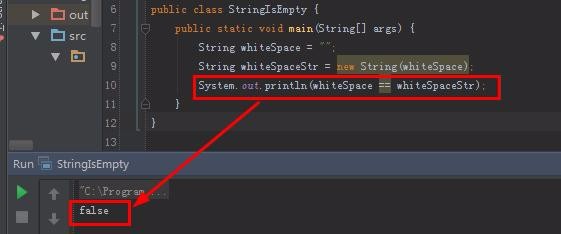
String str = ""; if (str.length() == 0) { System.out.println("字符串为空"); } else { System.out.println("字符串不为空"); }
使用 equals("") 方法
equals() 方法用于比较两个字符串是否相等,如果字符串为空,则与空字符串 相等。
String str = ""; if (str.equals("")) { System.out.println("字符串为空"); } else { System.out.println("字符串不为空"); }
使用 equalsIgnoreCase("") 方法
equalsIgnoreCase() 方法用于比较两个字符串是否相等,忽略大小写,如果字符串为空,则与空字符串 相等。
String str = ""; if (str.equalsIgnoreCase("")) { System.out.println("字符串为空"); } else { System.out.println("字符串不为空"); }
使用正则表达式
可以使用正则表达式来检查字符串是否为空,以下是一个示例:

\s* 表示匹配任意数量的空白字符。
使用 trim() 方法
trim() 方法用于删除字符串两端的空白字符。trim() 方法返回的字符串为空,则原字符串为空。
String str = " "; if (str.trim().isEmpty()) { System.out.println("字符串为空"); } else { System.out.println("字符串不为空"); }
表格对比
以下是一个表格,对比了上述几种方法的优缺点:

| 方法 | 优点 | 缺点 |
|---|---|---|
| isEmpty() | 简洁易读 | 仅适用于 String 类 |
| length() | 简洁易读 | 仅适用于 String 类 |
| equals("") | 简洁易读 | 仅适用于 String 类 |
| equalsIgnoreCase("") | 简洁易读 | 仅适用于 String 类 |
| 正则表达式 | 功能强大 | 代码复杂 |
| trim() | 功能强大 | 代码复杂 |
FAQs
问题1:如何判断一个字符串是否包含空白字符?
解答1: 可以使用 trim() 方法来删除字符串两端的空白字符,然后使用 isEmpty() 方法判断处理后的字符串是否为空,以下是一个示例:
String str = " Hello, World! "; if (str.trim().isEmpty()) { System.out.println("字符串为空"); } else { System.out.println("字符串不为空"); }
问题2:如何判断一个字符串是否包含数字?
解答2: 可以使用正则表达式来检查字符串是否包含数字,以下是一个示例:
String str = "Hello123"; if (str.matches(".*\d.*")) { System.out.println("字符串包含数字"); } else { System.out.println("字符串不包含数字"); }