上一篇
如何有效地实现Java线程停止的方法及注意事项详解?
在Java中,线程的停止是一个复杂的话题,因为Java官方并没有提供直接停止线程的方法,我们可以通过几种不同的方式来安全地停止一个线程,以下是一些常见的方法:
使用volatile变量
- 创建一个volatile布尔变量,用于控制线程的运行。
- 在线程的循环中,检查这个布尔变量的值。
- 当需要停止线程时,将布尔变量的值设置为false。
public class StopThread { private volatile boolean running = true; public void stopThread() { running = false; } public void runThread() { while (running) { // 执行任务 } } public static void main(String[] args) { StopThread stopThread = new StopThread(); Thread thread = new Thread(stopThread::runThread); thread.start(); try { Thread.sleep(1000); } catch (InterruptedException e) { e.printStackTrace(); } stopThread.stopThread(); } }
使用中断
- 在线程的run方法中,使用Thread.currentThread().isInterrupted()来检查线程是否被中断。
- 当线程被中断时,可以退出循环,从而结束线程。
public class StopThread { public void runThread() { try { while (!Thread.currentThread().isInterrupted()) { // 执行任务 } } catch (InterruptedException e) { // 处理中断 } } public static void main(String[] args) { Thread thread = new Thread(() > { try { Thread.sleep(1000); } catch (InterruptedException e) { e.printStackTrace(); } }); thread.start(); try { Thread.sleep(500); } catch (InterruptedException e) { e.printStackTrace(); } thread.interrupt(); } }
使用CountDownLatch
- 创建一个CountDownLatch对象,初始化为1。
- 在线程的run方法中,使用countDownLatch.await()来等待信号。
- 当需要停止线程时,调用countDownLatch.countDown()来释放线程。
import java.util.concurrent.CountDownLatch; public class StopThread { private CountDownLatch latch = new CountDownLatch(1); public void runThread() { try { latch.await(); } catch (InterruptedException e) { e.printStackTrace(); } } public void stopThread() { latch.countDown(); } public static void main(String[] args) { StopThread stopThread = new StopThread(); Thread thread = new Thread(stopThread::runThread); thread.start(); try { Thread.sleep(1000); } catch (InterruptedException e) { e.printStackTrace(); } stopThread.stopThread(); } }
使用ExecutorService
- 使用ExecutorService来管理线程。
- 使用shutdown()方法来停止接受新的任务。
- 使用awaitTermination()方法来等待所有任务完成。
import java.util.concurrent.ExecutorService; import java.util.concurrent.Executors; import java.util.concurrent.TimeUnit; public class StopThread { public void runThread() { // 执行任务 } public static void main(String[] args) { ExecutorService executor = Executors.newSingleThreadExecutor(); StopThread stopThread = new StopThread(); executor.submit(stopThread::runThread); try { Thread.sleep(1000); } catch (InterruptedException e) { e.printStackTrace(); } executor.shutdown(); try { if (!executor.awaitTermination(1, TimeUnit.SECONDS)) { executor.shutdownNow(); } } catch (InterruptedException e) { executor.shutdownNow(); } } }
FAQs
Q1:如何确保线程在停止后不会执行垃圾回收?
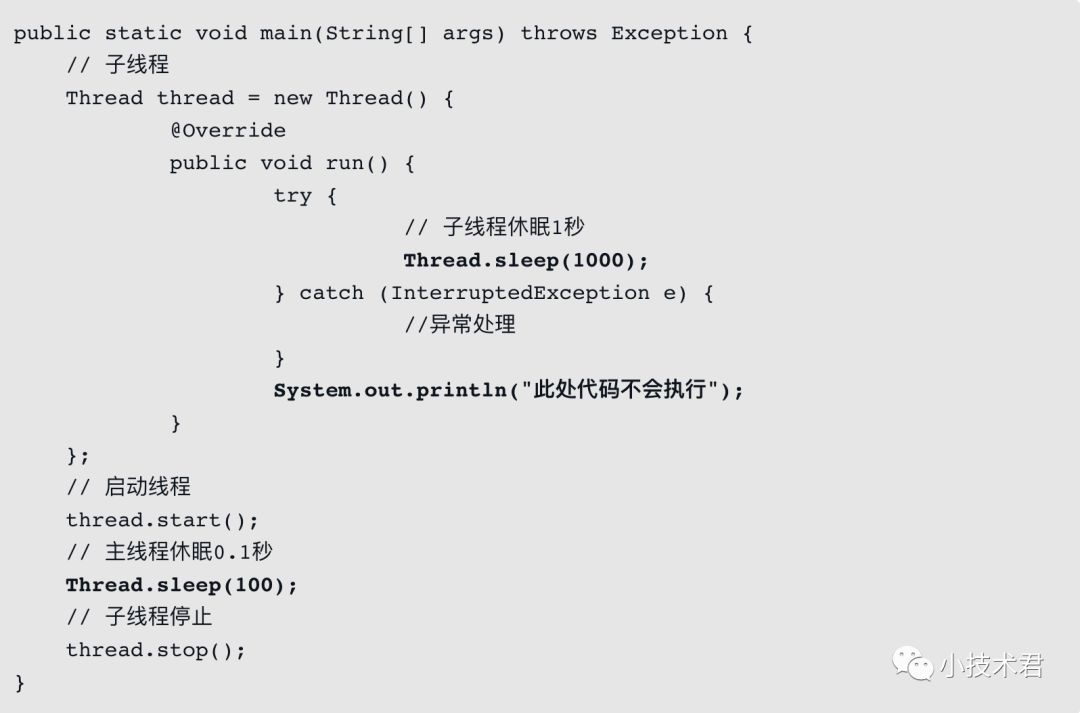
A1: 当线程停止执行后,Java虚拟机(JVM)会自动进行垃圾回收,如果线程中存在大量的资源占用,如文件句柄、网络连接等,需要手动关闭这些资源,以确保垃圾回收能够顺利进行。
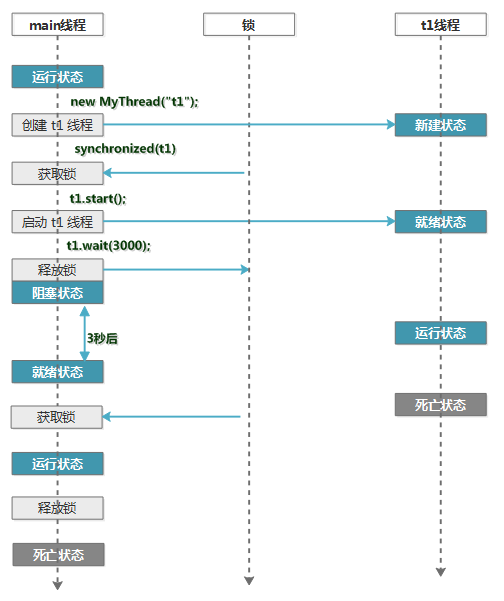
Q2:在多线程环境中,如何安全地停止线程?
A2: 在多线程环境中,停止线程需要谨慎处理,以避免数据不一致或资源泄露等问题,可以使用volatile变量、中断、CountDownLatch或ExecutorService等方法来安全地停止线程,在停止线程时,应确保所有任务都已完成,并且所有资源都已被释放。