上一篇
Java线程间如何安全传递特定类的实例?
在Java中,线程之间可以通过多种方式传递对象,以下是一些常见的方法:
通过局部变量传递
当在同一个线程中创建对象时,可以直接通过局部变量传递对象。
通过Thread构造函数传递
在创建线程时,可以通过Thread的构造函数传递对象。
public class Main { public static void main(String[] args) { MyClass obj = new MyClass(); Thread thread = new Thread(() > { System.out.println("线程中获取到的对象:" + obj); }); thread.start(); } } class MyClass { private int value; public MyClass() { this.value = 10; } public int getValue() { return value; } }
通过run方法传递
在run方法中创建对象,然后使用该对象。
public class Main { public static void main(String[] args) { Thread thread = new Thread(() > { MyClass obj = new MyClass(); System.out.println("线程中获取到的对象:" + obj); }); thread.start(); } } class MyClass { private int value; public MyClass() { this.value = 10; } public int getValue() { return value; } }
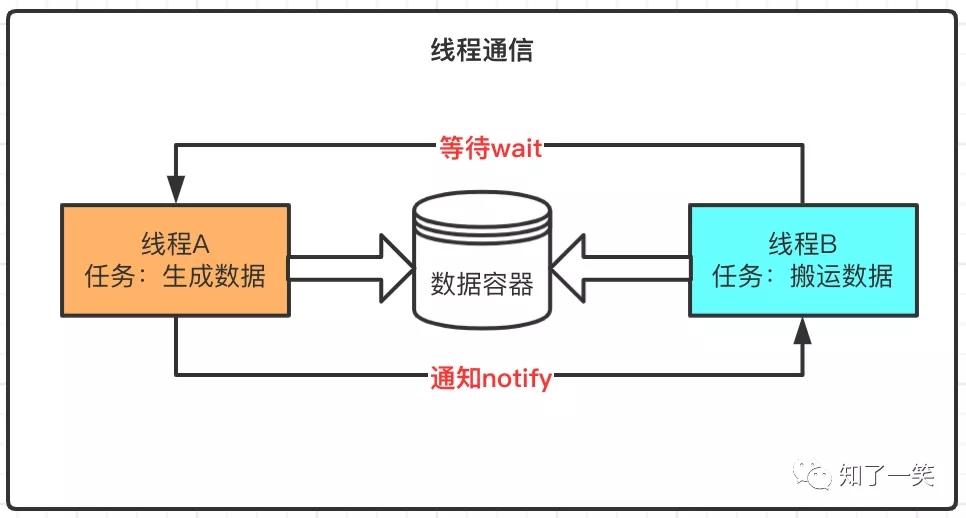
使用ThreadLocal
ThreadLocal可以为每个线程提供独立的变量副本,从而实现线程之间的数据隔离。
public class Main { public static void main(String[] args) { ThreadLocal<MyClass> threadLocal = ThreadLocal.withInitial(() > new MyClass()); new Thread(() > { MyClass obj = threadLocal.get(); System.out.println("线程中获取到的对象:" + obj); }).start(); } } class MyClass { private int value; public MyClass() { this.value = 10; } public int getValue() { return value; } }
使用线程池
通过线程池可以方便地管理线程和对象。
import java.util.concurrent.ExecutorService; import java.util.concurrent.Executors; public class Main { public static void main(String[] args) { ExecutorService executor = Executors.newFixedThreadPool(2); MyClass obj = new MyClass(); executor.submit(() > { System.out.println("线程中获取到的对象:" + obj); }); executor.submit(() > { System.out.println("线程中获取到的对象:" + obj); }); executor.shutdown(); } } class MyClass { private int value; public MyClass() { this.value = 10; } public int getValue() { return value; } }
FAQs
Q1:在Java中,如何在线程之间安全地传递对象?
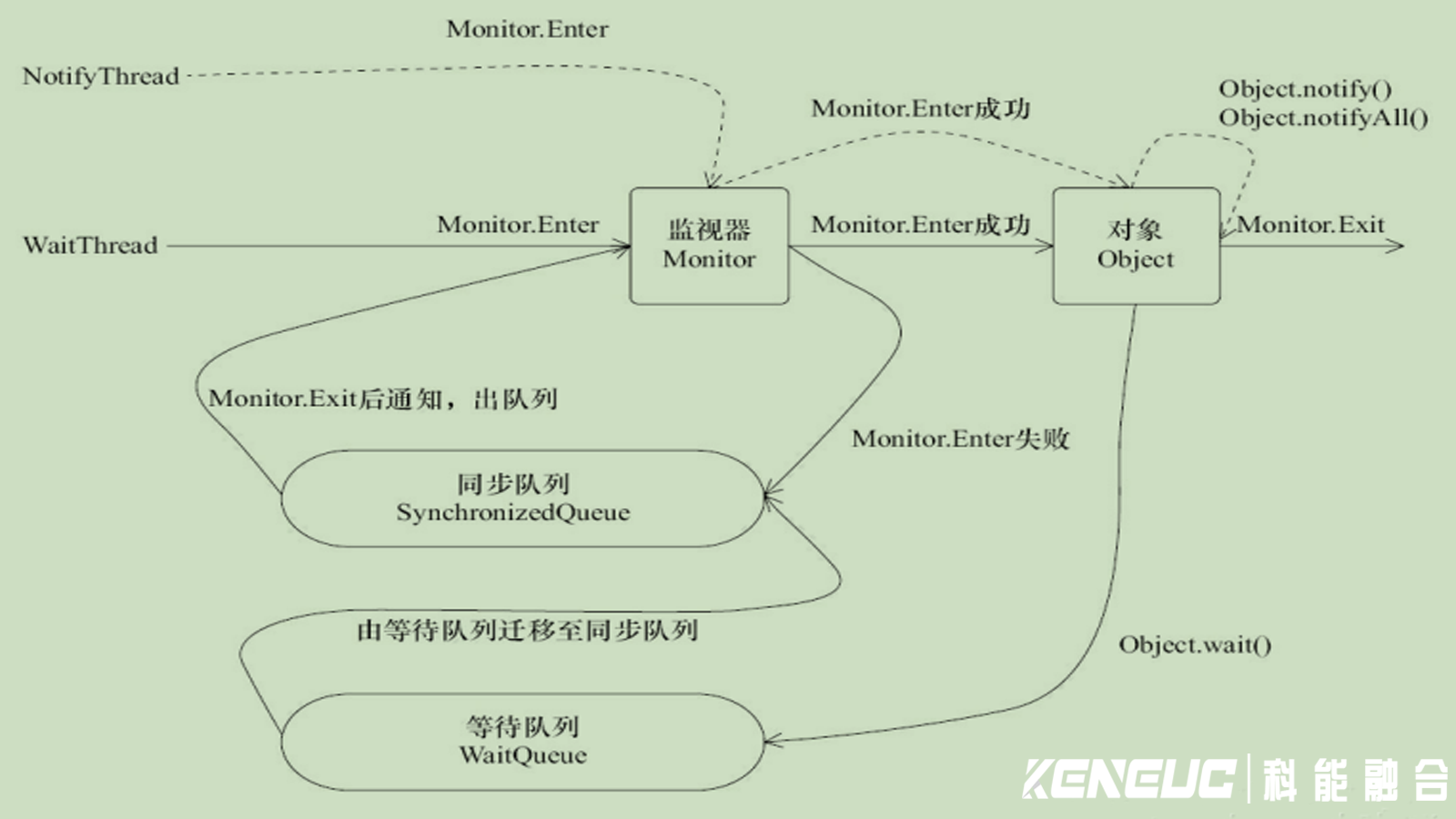
A1: 在Java中,可以通过以下方式在线程之间安全地传递对象:
- 通过局部变量传递。
- 通过Thread构造函数传递。
- 通过run方法传递。
- 使用ThreadLocal为每个线程提供独立的变量副本。
- 使用线程池来管理线程和对象。
Q2:ThreadLocal和线程池有什么区别?
A2: ThreadLocal和线程池的主要区别如下:
- ThreadLocal为每个线程提供独立的变量副本,从而实现线程之间的数据隔离,而线程池是为了提高线程的使用效率,通过复用线程来减少创建和销毁线程的开销。
- ThreadLocal适用于需要在多个方法或多个线程中共享数据的场景,而线程池适用于需要并发执行多个任务或需要限制并发线程数的场景。