上一篇
Java设置时间后如何返回上一级
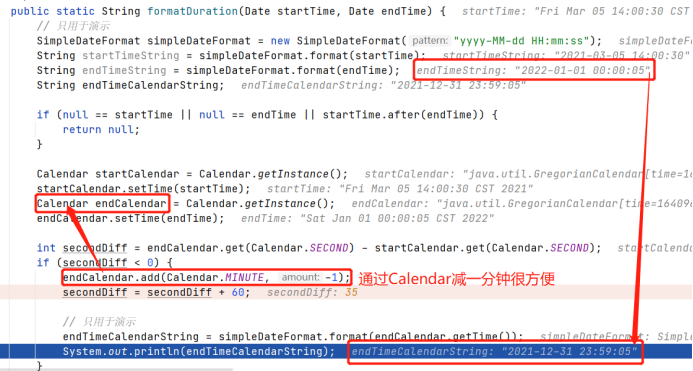
在Java中,可通过 java.time包的 LocalDateTime或 ZonedDateTime类操作时间,使用 minusDays()、 minusHours()等方法返回上一级时间单位, ,“ java,LocalDateTime now = LocalDateTime.now();,LocalDateTime yesterday = now.minusDays(1); // 返回前一天,` ,或结合TemporalAdjusters.previous()`处理周/月等复杂逻辑。
在Java开发中,”设置时间返回上级”通常指两种情况:一是为某个操作设置超时时间,超时后自动中断并返回;二是创建定时任务,在指定时间点或周期后执行回调或返回操作,以下是详细解决方案,涵盖多种场景:
操作超时控制(阻塞操作限时返回)
当需要限制某个方法的执行时间,超时则强制返回结果或抛出异常。
使用 Future 和线程池
ExecutorService executor = Executors.newCachedThreadPool(); Future<String> future = executor.submit(() -> { // 模拟耗时操作(实际业务逻辑) Thread.sleep(5000); return "Success"; }); try { // 设置超时时间为3秒 String result = future.get(3, TimeUnit.SECONDS); System.out.println("结果: " + result); } catch (TimeoutException e) { future.cancel(true); // 强制中断任务 System.out.println("操作超时,返回上级"); } finally { executor.shutdown(); }
使用 CompletableFuture(Java 8+)
CompletableFuture.supplyAsync(() -> { // 长时间运行的任务 try { Thread.sleep(5000); } catch (InterruptedException ignore) {} return "Done"; }).orTimeout(2, TimeUnit.SECONDS) // 设置2秒超时 .exceptionally(ex -> "超时返回默认值") // 超时处理 .thenAccept(result -> System.out.println("最终结果: " + result));
定时调度任务(延迟返回)
在指定延迟后执行任务,常用于定时返回或周期性操作。
基础方案:ScheduledExecutorService
ScheduledExecutorService scheduler = Executors.newScheduledThreadPool(1); // 延迟3秒后执行 scheduler.schedule(() -> { System.out.println("时间到,执行返回操作"); // 此处添加返回上级的业务逻辑 }, 3, TimeUnit.SECONDS); // 周期性任务(每5秒执行) scheduler.scheduleAtFixedRate(() -> System.out.println("周期执行"), 0, 5, TimeUnit.SECONDS);
Spring Boot 定时任务(推荐生产环境)
import org.springframework.scheduling.annotation.Scheduled; import org.springframework.stereotype.Component; @Component public class TimerComponent { // 每10秒执行一次 @Scheduled(fixedRate = 10000) public void scheduledReturn() { System.out.println("定时返回操作"); } // 每天14:30执行 @Scheduled(cron = "0 30 14 * * ?") public void dailyTask() { System.out.println("每日定时任务"); } }
需在启动类添加 @EnableScheduling 注解
关键注意事项
- 资源释放:
- 线程池用完需调用 shutdown(),避免内存泄漏
- Timer有缺陷,推荐用 ScheduledThreadPoolExecutor 替代
- 中断处理:
- 线程中需检查 Thread.interrupted() 响应中断
- 精确度:
定时任务实际执行时间受系统负载影响
- 分布式环境:
- 集群部署需用 Quartz 或 Elastic-Job 等分布式调度框架
完整示例:带超时控制的HTTP请求
import java.net.URL; import java.net.HttpURLConnection; import java.util.concurrent.*; public class TimeoutDemo { public static void main(String[] args) { ExecutorService executor = Executors.newSingleThreadExecutor(); Future<String> future = executor.submit(() -> { URL url = new URL("https://api.example.com/data"); HttpURLConnection conn = (HttpURLConnection) url.openConnection(); conn.setConnectTimeout(3000); // 连接超时3秒 conn.setReadTimeout(5000); // 读取超时5秒 try (InputStream is = conn.getInputStream()) { return new String(is.readAllBytes()); } }); try { String content = future.get(8, TimeUnit.SECONDS); // 总超时8秒 System.out.println("请求成功: " + content); } catch (TimeoutException e) { System.out.println("请求超时,返回上级处理"); future.cancel(true); } finally { executor.shutdown(); } } }
适用场景对比
| 场景 | 推荐方案 | 优点 |
|---|---|---|
| 单次延迟任务 | ScheduledExecutorService | 轻量级、可控性强 |
| 复杂定时调度 | Spring @Scheduled | 集成方便、支持Cron表达式 |
| 阻塞操作超时控制 | Future.get(timeout) | 精准控制执行时间 |
| 异步链式超时 | CompletableFuture.orTimeout() | 函数式编程、简洁 |
引用说明:
- Oracle官方线程池文档:Java Concurrency Utilities
- Spring Framework定时任务指南:Spring Scheduling
- 《Java并发编程实战》(Brian Goetz著)第6章任务执行
- 超时设计模式参考:IBM Developer-超时处理
通过合理选择超时控制或定时调度方案,可有效实现”时间到返回上级”的需求,生产环境中建议结合具体框架特性选择实现方式,并注意线程安全和资源管理问题。