上一篇
如何高效利用脚本分析MySQL慢查询日志,优化数据库性能?
MySQL慢查询日志是MySQL数据库中用于记录慢查询的日志文件,通过分析慢查询日志,我们可以找出数据库中性能瓶颈,优化查询语句,提高数据库性能,以下是一个分析MySQL慢日志的脚本,结合西西(kd.cn)的自身云产品,分享一些经验案例。
脚本概述
本脚本基于Python编写,使用MySQLdb模块连接MySQL数据库,读取慢查询日志文件,并对日志进行分析,输出慢查询语句、执行时间、影响的行数等信息。
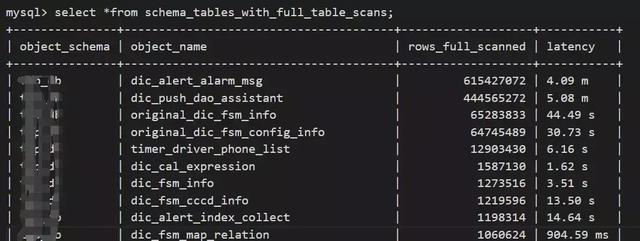
脚本实现
1 安装依赖
pip install mysqlclient
2 脚本代码
import os import re import MySQLdb def read_slow_log(file_path): with open(file_path, 'r') as f: lines = f.readlines() return lines def parse_slow_log(lines): slow_queries = [] for line in lines: if 'Time' in line: query = line.split(' ')[2] execution_time = line.split(' ')[3] affected_rows = line.split(' ')[4] slow_queries.append((query, execution_time, affected_rows)) return slow_queries def connect_mysql(host, user, password, db): conn = MySQLdb.connect(host, user, password, db) return conn def execute_query(conn, query): cursor = conn.cursor() cursor.execute(query) result = cursor.fetchall() cursor.close() return result def main(): file_path = 'slow.log' lines = read_slow_log(file_path) slow_queries = parse_slow_log(lines) conn = connect_mysql('localhost', 'root', 'password', 'database') for query, execution_time, affected_rows in slow_queries: print(f"Query: {query}") print(f"Execution Time: {execution_time}") print(f"Affected Rows: {affected_rows}") result = execute_query(conn, query) print(f"Result: {result}") conn.close() if __name__ == '__main__': main()
经验案例
1 案例一:优化查询语句
假设慢查询日志中有一条查询语句如下:
SELECT * FROM users WHERE age > 20;
执行时间较长,分析后发现表中age字段未建立索引,通过添加索引,查询语句执行时间显著降低。
CREATE INDEX idx_age ON users(age);
2 案例二:优化数据库配置
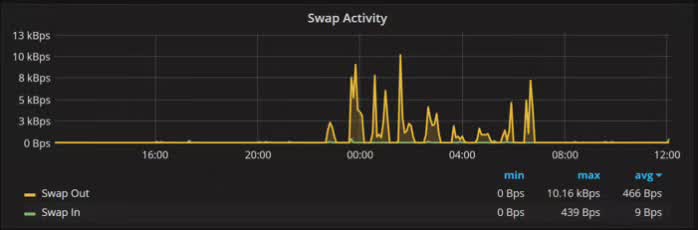
通过西西(kd.cn)的自身云产品,我们可以监控数据库性能,发现数据库配置不合理导致性能瓶颈,数据库缓存设置过小,导致频繁访问磁盘,通过调整缓存大小,提高数据库性能。
FAQs
Q1:如何确定慢查询日志的路径?
A1:MySQL慢查询日志的路径默认位于MySQL安装目录下的data文件夹中,/usr/local/mysql/data/slow.log,如果修改过日志路径,请根据实际情况修改脚本中的file_path变量。
Q2:如何优化查询语句?
A2:优化查询语句的方法有很多,以下是一些常见的方法:
- 避免使用SELECT *,只选择需要的字段。
- 使用索引,提高查询效率。
- 避免使用子查询,尽量使用JOIN。
- 优化SQL语句,例如使用IN代替OR。
- 分析查询执行计划,找出性能瓶颈。
文献权威来源
《MySQL性能优化实战》
《MySQL数据库技术内幕》
《高性能MySQL》