上一篇
Java中如何实现打开并保存文件的正确操作流程?
Java中打开和保存文件是一个常见的需求,无论是读取数据还是写入数据,都离不开文件的读写操作,下面,我将详细介绍Java中如何打开和保存文件。
文件打开
在Java中,通常使用java.io.File类和java.io.FileInputStream类来打开文件,以下是打开文件的步骤:
- 创建File对象,指定文件路径。
- 创建FileInputStream对象,将File对象作为参数传递。
- 使用FileInputStream对象进行文件读取操作。
以下是一个简单的示例:
import java.io.FileInputStream; import java.io.IOException; public class FileOpenExample { public static void main(String[] args) { File file = new File("example.txt"); FileInputStream fis = null; try { fis = new FileInputStream(file); int content; while ((content = fis.read()) != 1) { System.out.print((char) content); } } catch (IOException e) { e.printStackTrace(); } finally { if (fis != null) { try { fis.close(); } catch (IOException e) { e.printStackTrace(); } } } } }
文件保存
在Java中,通常使用java.io.FileOutputStream类来保存文件,以下是保存文件的步骤:
- 创建File对象,指定文件路径。
- 创建FileOutputStream对象,将File对象作为参数传递。
- 使用FileOutputStream对象进行文件写入操作。
以下是一个简单的示例:
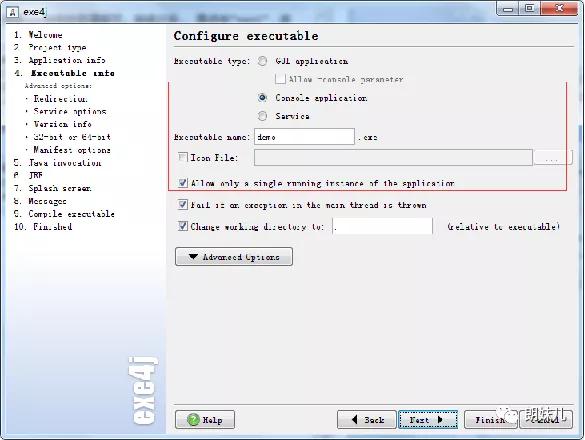
import java.io.FileOutputStream; import java.io.IOException; public class FileSaveExample { public static void main(String[] args) { File file = new File("example.txt"); FileOutputStream fos = null; try { fos = new FileOutputStream(file); String content = "Hello, World!"; fos.write(content.getBytes()); } catch (IOException e) { e.printStackTrace(); } finally { if (fos != null) { try { fos.close(); } catch (IOException e) { e.printStackTrace(); } } } } }
表格对比
下面是一个表格,对比了打开和保存文件时使用的方法和注意事项:

| 操作 | 类名 | 方法 | 注意事项 |
|---|---|---|---|
| 打开文件 | FileInputStream | read() | 需要处理IOException;2. 读取完毕后,需要关闭流; |
| 保存文件 | FileOutputStream | write() | 需要处理IOException;2. 写入完毕后,需要关闭流; |
FAQs
问题1:在打开文件时,如果文件不存在,会发生什么?
解答: 如果尝试打开一个不存在的文件,将会抛出FileNotFoundException异常,在实际操作中,建议先检查文件是否存在,然后再进行打开操作。
问题2:在保存文件时,如果文件已经存在,会发生什么?
解答: 如果尝试保存到一个已经存在的文件,FileOutputStream会覆盖原有的文件内容,如果需要保留原有内容,可以先读取原有文件内容,然后再进行写入操作。