上一篇
html如何显示参数
在HTML中,可通过JavaScript获取URL参数并用innerHTML/textContent等方法将参数值插入指定元素中显示
在HTML中显示参数(如URL参数、表单数据、本地存储数据等)需要结合HTML、CSS和JavaScript实现,以下是详细方案与示例:
获取参数的常见方法
-
从URL中获取参数
-
方法1:通过window.location.search解析查询字符串
const params = new URLSearchParams(window.location.search); const id = params.get('id'); // 获取?id=的值 document.getElementById('paramBox').innerText = `ID: ${id}`;- 适用场景:页面跳转时通过URL传递参数。
- 注意:需处理特殊字符(如%20),建议用encodeURIComponent和decodeURIComponent。
-
方法2:通过正则表达式手动解析URL
const url = window.location.href; const match = url.match(/?id=(d+)/); if (match) { document.getElementById('paramBox').innerText = `ID: ${match[1]}`; }- 缺点:需手动编写正则,适用于固定格式的参数。
-
从HTTP请求中获取参数
- 通过Fetch API获取后端返回的数据 fetch('/api/user') .then(response => response.json()) .then(data => { document.getElementById('name').innerText = data.name; document.getElementById('age').innerText = data.age; });
- 适用场景:从服务器获取JSON或XML数据后渲染到页面。
-
从本地存储中获取参数
- 通过localStorage或sessionStorage const userName = localStorage.getItem('username');
document.getElementById('welcomeMsg').innerText = `Welcome ${userName}`;
- 优势:持久化存储,刷新页面后仍可读取。
-
定时刷新参数
- 通过setInterval定期发送请求 setInterval(() => { fetch('/api/status') .then(response => response.json()) .then(data => { document.getElementById('status').innerText = `Status: ${data.status}`; });
}, 5000); // 每5秒刷新一次
- 注意:需控制频率,避免性能问题。
- 通过setInterval定期发送请求 setInterval(() => { fetch('/api/status') .then(response => response.json()) .then(data => { document.getElementById('status').innerText = `Status: ${data.status}`; });
}, 5000); // 每5秒刷新一次
-
表单参数实时显示
- 监听输入框变化并显示值 <input type="text" id="nameInput" placeholder="Enter Name">
<p>Your name is: <span id="nameDisplay"></span></p>
<script> document.getElementById('nameInput').addEventListener('input', (e) => { document.getElementById('nameDisplay').innerText = e.target.value; });
</script>
- 优势:无需提交表单即可实时反馈。
- 监听输入框变化并显示值 <input type="text" id="nameInput" placeholder="Enter Name">
<p>Your name is: <span id="nameDisplay"></span></p>
<script> document.getElementById('nameInput').addEventListener('input', (e) => { document.getElementById('nameDisplay').innerText = e.target.value; });
</script>
-
参数编码问题

- URL参数需使用encodeURIComponent编码, const url = `detail.html?name=${encodeURIComponent(userName)}`;
- 原因:防止中文、空格等特殊字符导致解析错误。
-
安全性防护
- 避免XSS攻破:禁止直接将用户输入的参数插入HTML,需转义或使用textContent。 document.getElementById('paramBox').textContent = userInput; // 安全
- 验证参数合法性:对数字、邮箱等类型参数需校验格式。
-
兼容性处理
- 低版本浏览器可能不支持URLSearchParams,需降级处理: const params = window.location.search.substring(1).split('&').reduce((obj, pair) => { const [key, value] = pair.split('='); obj[decodeURIComponent(key)] = decodeURIComponent(value); return obj; }, {});
FAQs
问题1:如何一次性获取多个URL参数?
答:使用URLSearchParams的forEach或entries方法遍历所有参数。
const params = new URLSearchParams(window.location.search); params.forEach((value, key) => { console.log(`${key}: ${value}`); });
问题2:如何处理带特殊字符的参数(如#符号)?
答:特殊字符需在传入URL前编码,
const original = "a#b"; const encoded = encodeURIComponent(original); // 结果为 "a%23b" const url = `page.html?param=${encoded}`;
解析时自动解码,或手动调用decodeURIComponent
在HTML中显示参数的常用方式
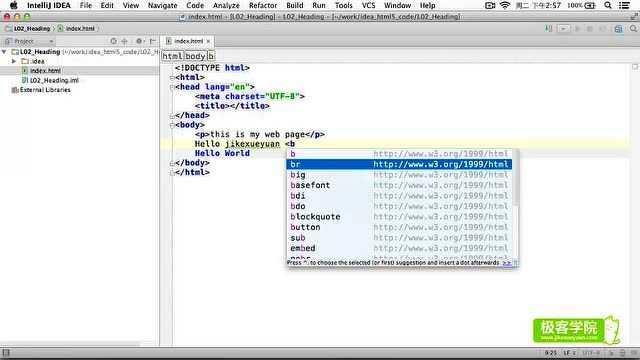
显示方式 示例代码 适用场景 <p id="paramBox"></p> + document.getElementById('paramBox').innerText = 'Value' 简单参数显示 表格形式 “`html <table> <tr><th>参数名</th><th>值</th></tr> <tr><td>ID</td><td id="idValue"></td></tr> </table> ``` + ```javascript document.getElementById('idValue').innerText = params.get('id'); ``` | 多参数结构化展示 |
| 动态生成HTML元素 | “javascript const div = document.createElement('div'); div.innerText =Param: ${params.get(‘param’)}`;
document.body.appendChild(div);
| 结合模板引擎 | ```html <script type="text/template" id="template"> 姓名:{{name}},年龄:{{age}} </script> ``` + ```javascript const template = document.getElementById('template').innerHTML; document.body.innerHTML = Mustache.render(template, data); ``` | 复杂数据绑定(需引入模板库如Mustache) | 三、动态显示参数的进阶方法 1. 监听参数变化 使用`popstate`事件监听URL变化 ```javascript window.addEventListener('popstate', () => { const params = new URLSearchParams(window.location.search); document.getElementById('paramBox').innerText = `Current ID: ${params.get('id')}`; }); 场景:用户通过前进/后退按钮改变URL时自动更新参数显示。
注意事项
- 通过localStorage或sessionStorage const userName = localStorage.getItem('username');
document.getElementById('welcomeMsg').innerText = `Welcome ${userName}`;
- 通过Fetch API获取后端返回的数据 fetch('/api/user') .then(response => response.json()) .then(data => { document.getElementById('name').innerText = data.name; document.getElementById('age').innerText = data.age; });
-