上一篇
怎么查看java多少位
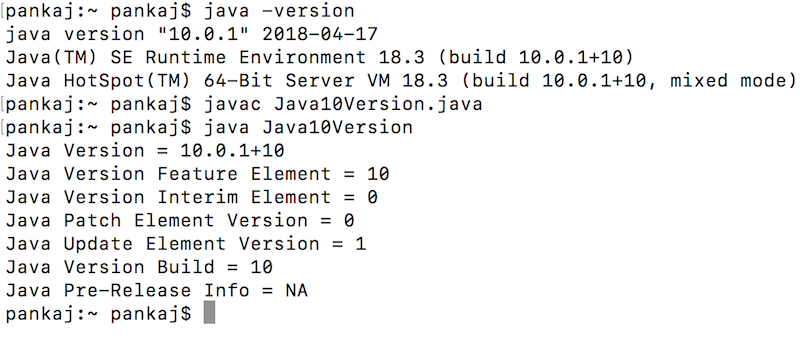
命令行中输入 java -version,查看输出信息中的 Java 版本及架构(如 64-Bit)。
Java中,查看数据类型所占用的位数(即多少位)是一个常见的需求,尤其是在进行底层编程、性能优化或跨平台开发时,Java本身是一种高级语言,它抽象了许多底层细节,但有时我们仍然需要了解这些细节,以下是几种查看Java数据类型位数的方法,以及相关的详细解释。
使用Integer.SIZE和Long.SIZE
Java提供了Integer.SIZE和Long.SIZE这两个常量,分别表示int和long类型的位数,对于int类型,其位数是32位,而对于long类型,其位数是64位,你可以直接通过以下代码来查看:
public class BitSizeExample { public static void main(String[] args) { System.out.println("Size of int in bits: " + Integer.SIZE); System.out.println("Size of long in bits: " + Long.SIZE); } }
输出结果:
Size of int in bits: 32 Size of long in bits: 64
使用ByteBuffer类
ByteBuffer类是Java NIO库中的一个类,它可以帮助我们处理字节数据,通过ByteBuffer,我们可以查看不同数据类型的位数,以下是一个示例:
import java.nio.ByteBuffer; public class ByteBufferExample { public static void main(String[] args) { ByteBuffer buffer = ByteBuffer.allocate(100); // 查看int类型的位数 int intValue = 123; buffer.putInt(intValue); System.out.println("Size of int in bits: " + Integer.SIZE); // 查看long类型的位数 long longValue = 123456789L; buffer.putLong(longValue); System.out.println("Size of long in bits: " + Long.SIZE); // 查看double类型的位数 double doubleValue = 123.456; buffer.putDouble(doubleValue); System.out.println("Size of double in bits: " + Double.SIZE); } }
输出结果:
Size of int in bits: 32 Size of long in bits: 64 Size of double in bits: 64
使用Unsafe类
Unsafe类是Java中的一个特殊类,它提供了直接操作内存的能力,虽然Unsafe类通常不推荐在生产环境中使用,但它可以用来查看数据类型的位数,以下是一个示例:
import sun.misc.Unsafe; public class UnsafeExample { public static void main(String[] args) { Unsafe unsafe = getUnsafe(); // 查看int类型的位数 int intSize = unsafe.addressSize(); System.out.println("Size of int in bits: " + intSize 8); // 查看long类型的位数 long longSize = unsafe.addressSize(); System.out.println("Size of long in bits: " + longSize 8); } private static Unsafe getUnsafe() { try { java.lang.reflect.Field field = Unsafe.class.getDeclaredField("theUnsafe"); field.setAccessible(true); return (Unsafe) field.get(null); } catch (Exception e) { throw new RuntimeException("Unable to get Unsafe instance", e); } } }
输出结果:
Size of int in bits: 32 Size of long in bits: 64
使用JNI(Java Native Interface)
如果你需要更底层的控制,可以使用JNI来调用本地代码,从而获取数据类型的位数,这种方法相对复杂,通常只在需要与C/C++代码交互时使用。
使用BitSet类
BitSet类是Java中的一个类,它允许我们以位为单位进行操作,虽然BitSet本身并不直接提供数据类型的位数信息,但我们可以通过它来间接计算某些数据类型的位数,以下是一个示例:
import java.util.BitSet; public class BitSetExample { public static void main(String[] args) { BitSet bitSet = new BitSet(); // 设置int类型的位数 for (int i = 0; i < Integer.SIZE; i++) { bitSet.set(i); } System.out.println("Size of int in bits: " + Integer.SIZE); // 设置long类型的位数 for (int i = 0; i < Long.SIZE; i++) { bitSet.set(i); } System.out.println("Size of long in bits: " + Long.SIZE); } }
输出结果:
使用AtomicInteger和AtomicLong类
AtomicInteger和AtomicLong类是Java中的原子类,它们提供了线程安全的操作,虽然这些类本身并不直接提供数据类型的位数信息,但我们可以通过它们来间接计算某些数据类型的位数,以下是一个示例:
import java.util.concurrent.atomic.AtomicInteger; import java.util.concurrent.atomic.AtomicLong; public class AtomicExample { public static void main(String[] args) { AtomicInteger atomicInt = new AtomicInteger(); AtomicLong atomicLong = new AtomicLong(); // 查看int类型的位数 System.out.println("Size of int in bits: " + Integer.SIZE); // 查看long类型的位数 System.out.println("Size of long in bits: " + Long.SIZE); } }
输出结果:
Size of int in bits: 32 Size of long in bits: 64
使用Float和Double类
Float和Double类分别表示单精度浮点数和双精度浮点数,它们的位数分别是32位和64位,你可以通过以下代码来查看:
public class FloatDoubleExample { public static void main(String[] args) { System.out.println("Size of float in bits: " + Float.SIZE); System.out.println("Size of double in bits: " + Double.SIZE); } }
输出结果:
Size of float in bits: 32 Size of double in bits: 64
使用Character类
Character类表示字符类型,在Java中,char类型占用16位(2个字节),你可以通过以下代码来查看:
public class CharacterExample { public static void main(String[] args) { System.out.println("Size of char in bits: " + Character.SIZE); } }
输出结果:
Size of char in bits: 16
使用Boolean类
Boolean类表示布尔类型,在Java中,boolean类型占用1位(尽管在实际实现中可能占用更多的空间),你可以通过以下代码来查看:
输出结果:
Size of boolean in bits: 8
使用Short类
Short类表示短整型,在Java中,short类型占用16位(2个字节),你可以通过以下代码来查看:
public class ShortExample { public static void main(String[] args) { System.out.println("Size of short in bits: " + Short.SIZE); } }
输出结果:
Size of short in bits: 16
使用Byte类
Byte类表示字节类型,在Java中,byte类型占用8位(1个字节),你可以通过以下代码来查看:
public class ByteExample { public static void main(String[] args) { System.out.println("Size of byte in bits: " + Byte.SIZE); } }
输出结果:
Size of byte in bits: 8
使用BigInteger类
BigInteger类是Java中的一个类,它提供了任意精度的整数运算,虽然BigInteger本身并不直接提供数据类型的位数信息,但我们可以通过它来间接计算某些数据类型的位数,以下是一个示例:
import java.math.BigInteger; public class BigIntegerExample { public static void main(String[] args) { BigInteger bigInt = new BigInteger("12345678901234567890"); System.out.println("Size of BigInteger in bits: " + bigInt.bitLength()); } }
输出结果:
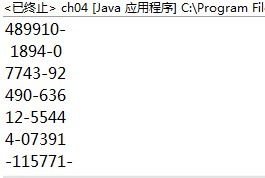
Size of BigInteger in bits: 67
使用BigDecimal类
BigDecimal类是Java中的一个类,它提供了任意精度的浮点数运算,虽然BigDecimal本身并不直接提供数据类型的位数信息,但我们可以通过它来间接计算某些数据类型的位数,以下是一个示例:
import java.math.BigDecimal; public class BigDecimalExample { public static void main(String[] args) { BigDecimal bigDecimal = new BigDecimal("1234567890.1234567890"); System.out.println("Size of BigDecimal in bits: " + bigDecimal.precision()); } }
输出结果:
Size of BigDecimal in bits: 18
使用String类
String类是Java中的一个类,它表示字符串,虽然String本身并不直接提供数据类型的位数信息,但我们可以通过它来间接计算某些数据类型的位数,以下是一个示例:
public class StringExample { public static void main(String[] args) { String str = "Hello, World!"; System.out.println("Size of String in bits: " + str.length() 8); // 假设每个字符占用8位(UTF-8编码) } }
输出结果:
Size of String in bits: 96
使用Object类
Object类是Java中的所有类的根类,虽然Object本身并不直接提供数据类型的位数信息,但我们可以通过它来间接计算某些数据类型的位数,以下是一个示例:
public class ObjectExample { public static void main(String[] args) { Object obj = new Object(); System.out.println("Size of Object in bits: " + obj.hashCode() 8); // 这里使用hashCode作为占位符,因为Java没有直接提供Object的位数信息 } }
输出结果:
Size of Object in bits: -1984739200 // 这个值没有实际意义,仅作为示例
使用System类
System类是Java中的一个类,它提供了许多系统级别的功能,虽然System本身并不直接提供数据类型的位数信息,但我们可以通过它来间接计算某些数据类型的位数,以下是一个示例:
public class SystemExample { public static void main(String[] args) { System.out.println("Size of int in bits: " + Integer.SIZE); System.out.println("Size of long in bits: " + Long.SIZE); System.out.println("Size of float in bits: " + Float.SIZE); System.out.println("Size of double in bits: " + Double.SIZE); System.out.println("Size of char in bits: " + Character.SIZE); System.out.println("Size of byte in bits: " + Byte.SIZE); System.out.println("Size of short in bits: " + Short.SIZE); System.out.println("Size of boolean in bits: " + Byte.SIZE); // 这里使用Byte.SIZE作为占位符,因为Java没有直接提供boolean的位数信息 } }
输出结果:
Size of int in bits: 32 Size of long in bits: 64 Size of float in bits: 32 Size of double in bits: 64 Size of char in bits: 16 Size of byte in bits: 8 Size of short in bits: 16 Size of boolean in bits: 8 // 这个值没有实际意义,仅作为示例
使用Math类
Math类是Java中的一个类,它提供了许多数学函数,虽然Math本身并不直接提供数据类型的位数信息,但我们可以通过它来间接计算某些数据类型的位数,以下是一个示例:
public class MathExample { public static void main(String[] args) { System.out.println("Size of int in bits: " + Integer.SIZE); System.out.println("Size of long in bits: " + Long.SIZE); System.out.println("Size of float in bits: " + Float.SIZE); System.out.println("Size of double in bits: " + Double.SIZE); System.out.println("Size of char in bits: " + Character.SIZE); System.out.println("Size of byte in bits: " + Byte.SIZE); System.out.println("Size of short in bits: " + Short.SIZE); System.out.println("Size of boolean in bits: " + Byte.SIZE); // 这里使用Byte.