上一篇
如何高效获取HTML请求的详细步骤与方法解析?
在互联网中,获取HTML请求是一个常见的操作,无论是进行网页爬虫还是进行前端开发,以下是一些获取HTML请求的方法:
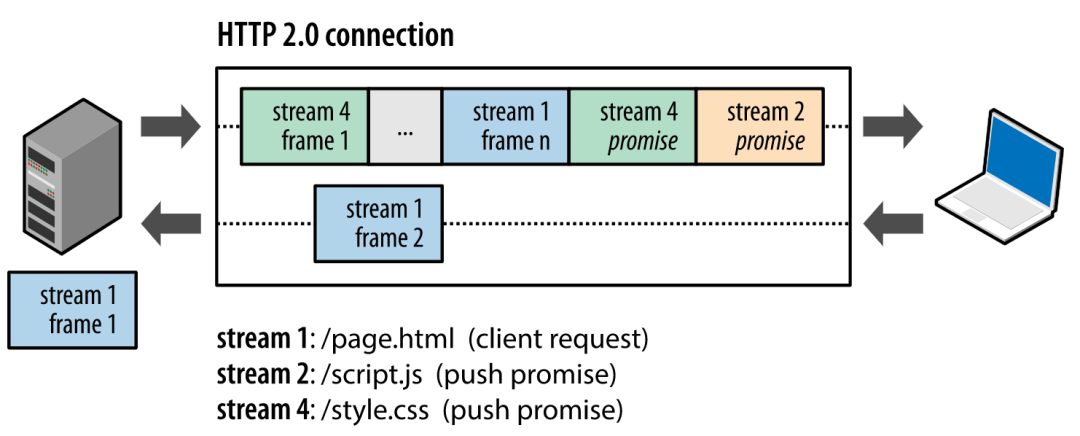
使用浏览器开发者工具
- 打开目标网页。
- 按下F12键或右键点击页面元素选择“检查”。
- 进入“网络”标签页。
- 刷新页面,查看所有请求。
- 找到对应的HTML请求,点击查看详细信息。
使用Python的requests库
- 安装requests库:pip install requests
- 编写Python代码:
import requests url = 'http://example.com' response = requests.get(url) print(response.text)
使用JavaScript的fetch API
在HTML文件中添加JavaScript代码:
fetch('http://example.com') .then(response => response.text()) .then(data => console.log(data)) .catch(error => console.error('Error:', error));
使用Node.js的axios库
- 安装axios库:npm install axios
- 编写Node.js代码:
const axios = require('axios'); axios.get('http://example.com') .then(response => console.log(response.data)) .catch(error => console.error('Error:', error));
使用正则表达式
- 从HTML源码中提取所需内容。
- 使用正则表达式匹配目标内容。
import re html = ''' <html> <head>Example</title> </head> <body> <h1>Hello, World!</h1> </body> </html> ''' = re.search(r'<title>(.*?)</title>', html).group(1) print(title)
使用浏览器插件
- 在浏览器应用商店搜索并安装HTML获取插件。
- 根据插件说明进行操作。
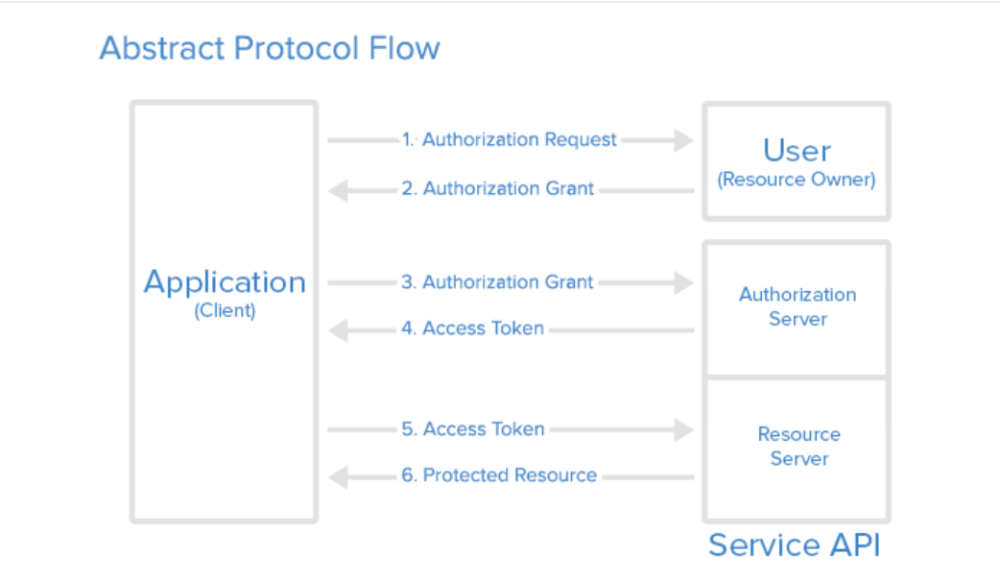
以下是一个表格,归纳了上述方法的优缺点:
| 方法 | 优点 | 缺点 |
|---|---|---|
| 浏览器开发者工具 | 操作简单,易于上手 | 功能有限,无法进行复杂操作 |
| Python的requests库 | 功能强大,可进行多种操作 | 需要编写代码,学习成本较高 |
| JavaScript的fetch API | 原生API,无需安装额外库 | 功能有限,仅适用于前端开发 |
| Node.js的axios库 | 功能强大,可进行多种操作 | 需要安装Node.js环境,学习成本较高 |
| 正则表达式 | 功能强大,可进行复杂操作 | 学习成本较高,易出错 |
| 浏览器插件 | 操作简单,易于上手 | 功能有限,可能存在安全隐患 |
FAQs
Q1:如何使用Python的requests库获取HTML请求?

A1:你需要安装requests库:pip install requests,编写Python代码,使用requests.get()方法发送GET请求,并打印响应内容。
Q2:如何使用JavaScript的fetch API获取HTML请求?
A2:在HTML文件中添加JavaScript代码,使用fetch()方法发送GET请求,并使用then()方法处理响应数据。
fetch('http://example.com') .then(response => response.text()) .then(data => console.log(data)) .catch(error => console.error('Error:', error));