上一篇
Java计数器编写方法有哪些疑问和困惑?
在Java中实现计数功能,可以根据不同的需求使用不同的方法,以下是一些常见的计数方法,包括使用循环、数组、集合类以及Java 8的Stream API。
使用循环实现计数
以下是一个简单的例子,使用for循环来计数:
使用数组实现计数
使用数组进行计数,通常需要先初始化一个数组,然后根据计数逻辑更新数组元素。
public class CountArrayExample { public static void main(String[] args) { int[] counts = new int[829]; for (int i = 0; i < counts.length; i++) { counts[i] = 1; } int total = 0; for (int count : counts) { total += count; } System.out.println("Count using array: " + total); } }
使用集合类实现计数
集合类如ArrayList可以方便地进行计数操作。
import java.util.ArrayList; import java.util.List; public class CountListExample { public static void main(String[] args) { List<Integer> counts = new ArrayList<>(); for (int i = 0; i < 829; i++) { counts.add(1); } int total = counts.size(); System.out.println("Count using List: " + total); } }
使用Java 8 Stream API实现计数
Java 8引入的Stream API提供了更加简洁的计数方式。
import java.util.stream.IntStream; public class CountStreamExample { public static void main(String[] args) { int total = IntStream.range(0, 829).sum(); System.out.println("Count using Stream API: " + total); } }
以下是一个简单的表格,归纳了上述方法:
| 方法 | 代码示例 | 说明 |
|---|---|---|
| For循环 | for (int i = 0; i < 829; i++) { count++; } | 使用传统的for循环进行计数,适合简单的计数需求 |
| 数组 | int[] counts = new int[829]; for (int i = 0; i < counts.length; i++) { counts[i] = 1; } | 使用数组进行计数,适合需要频繁访问特定索引的计数需求 |
| 集合类(ArrayList) | List<Integer> counts = new ArrayList<>(); for (int i = 0; i < 829; i++) { counts.add(1); } | 使用集合类进行计数,方便进行其他集合操作,如排序、过滤等 |
| Stream API | int total = IntStream.range(0, 829).sum(); | 使用Java 8的Stream API进行计数,代码简洁,适合大规模数据处理 |
FAQs
Q1: 如何在Java中使用枚举实现计数?
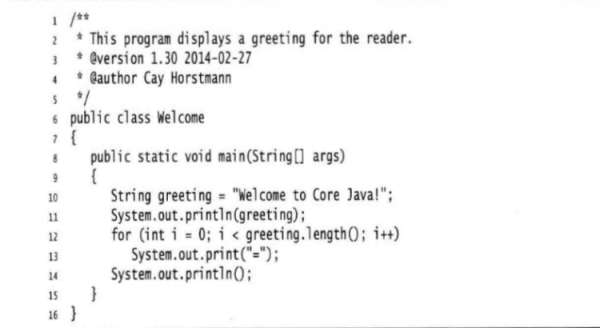
A1: 使用枚举进行计数,可以通过创建一个枚举类,并在枚举中定义计数方法,以下是一个简单的例子:
public enum CountEnum { INSTANCE; private int count = 0; public void increment() { count++; } public int getCount() { return count; } } public class CountEnumExample { public static void main(String[] args) { CountEnum.INSTANCE.increment(); System.out.println("Count using Enum: " + CountEnum.INSTANCE.getCount()); } }
Q2: 在Java中,如何使用多线程进行计数?
A2: 在Java中,可以使用AtomicInteger类实现线程安全的计数,以下是一个简单的例子:
import java.util.concurrent.atomic.AtomicInteger; public class CountMultiThreadExample { private static final AtomicInteger count = new AtomicInteger(0); public static void main(String[] args) { Thread thread1 = new Thread(() > { for (int i = 0; i < 100; i++) { count.incrementAndGet(); } }); Thread thread2 = new Thread(() > { for (int i = 0; i < 100; i++) { count.incrementAndGet(); } }); thread1.start(); thread2.start(); try { thread1.join(); thread2.join(); } catch (InterruptedException e) { e.printStackTrace(); } System.out.println("Count using multithreading: " + count.get()); } }