上一篇
Java中实现单例线程的方法有哪些?哪种方式更高效?
在Java中创建单例线程通常意味着你需要确保整个应用程序中只有一个线程实例被创建和执行,这可以通过多种方式实现,以下是一些常见的方法:
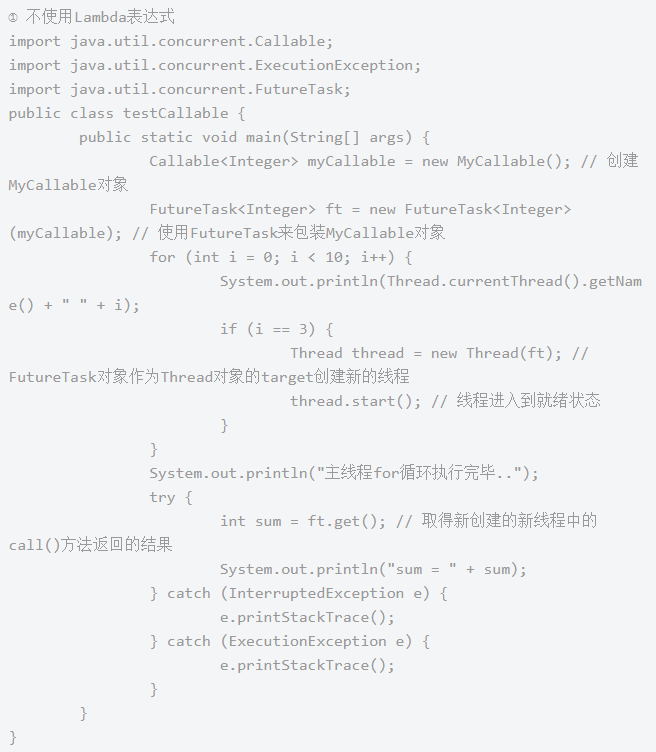
使用静态成员变量和同步方法
public class SingletonThread { private static SingletonThread instance; private Thread thread; private SingletonThread() { thread = new Thread(() > { // 线程执行的任务 while (true) { // 执行任务 } }); } public static synchronized SingletonThread getInstance() { if (instance == null) { instance = new SingletonThread(); } return instance; } public void startThread() { if (thread != null && !thread.isAlive()) { thread.start(); } } }
使用静态内部类
public class SingletonThread { private static class SingletonHolder { private static final SingletonThread INSTANCE = new SingletonThread(); } private Thread thread; private SingletonThread() { thread = new Thread(() > { // 线程执行的任务 while (true) { // 执行任务 } }); } public static SingletonThread getInstance() { return SingletonHolder.INSTANCE; } public void startThread() { if (thread != null && !thread.isAlive()) { thread.start(); } } }
使用枚举
public enum SingletonThread { INSTANCE; private Thread thread; private SingletonThread() { thread = new Thread(() > { // 线程执行的任务 while (true) { // 执行任务 } }); } public Thread getThread() { return thread; } public void startThread() { if (thread != null && !thread.isAlive()) { thread.start(); } } }
方法比较
| 方法 | 优点 | 缺点 |
|---|---|---|
| 静态成员变量和同步方法 | 简单易懂,易于理解 | 需要同步方法,在高并发情况下可能影响性能 |
| 静态内部类 | 性能较好,延迟加载 | 代码稍微复杂 |
| 枚举 | 确保单例的唯一性,易于理解 | 代码稍微复杂 |
FAQs
Q1:为什么需要创建单例线程?
A1:创建单例线程可以确保应用程序中只有一个线程实例被创建和执行,这有助于避免线程间的冲突和资源浪费。
Q2:如何确保线程安全?
A2:确保线程安全的方法包括使用同步方法、同步代码块、volatile关键字、锁等,在选择创建单例线程的方法时,应确保实例化和访问实例时的线程安全性。