上一篇
主从表在java中怎么定义
Java中,主表通过@OneToMany注解定义,从表通过@ManyToOne
Java中,主从表(也称为一对多关系)的定义和处理通常涉及数据库设计、实体类映射以及数据访问层的实现,以下是详细的步骤和示例,帮助你理解如何在Java中定义和操作主从表。
数据库设计
需要在数据库中设计主表和从表,确保它们之间通过外键建立关联。
示例:
假设我们有一个部门(Department)和员工(Employee)的主从关系,一个部门可以有多个员工,但一个员工只能属于一个部门。
SQL脚本:
CREATE TABLE Department ( id BIGINT PRIMARY KEY AUTO_INCREMENT, name VARCHAR(100) NOT NULL ); CREATE TABLE Employee ( id BIGINT PRIMARY KEY AUTO_INCREMENT, name VARCHAR(100) NOT NULL, department_id BIGINT, FOREIGN KEY (department_id) REFERENCES Department(id) );
实体类定义
使用Java Persistence API(如JPA或Hibernate)来定义实体类,并设置它们之间的关系。
Department实体类:
import javax.persistence.; import java.util.Set; @Entity @Table(name = "Department") public class Department { @Id @GeneratedValue(strategy = GenerationType.IDENTITY) private Long id; @Column(nullable = false) private String name; // 主从关系:一个部门有多个员工 @OneToMany(mappedBy = "department", cascade = CascadeType.ALL, orphanRemoval = true) private Set<Employee> employees; // 构造方法、Getter和Setter public Department() {} public Department(String name) { this.name = name; } // Getters and Setters public Long getId() { return id; } public void setId(Long id) { this.id = id; } public String getName() { return name; } public void setName(String name) { this.name = name; } public Set<Employee> getEmployees() { return employees; } public void setEmployees(Set<Employee> employees) { this.employees = employees; } }
Employee实体类:
import javax.persistence.; @Entity @Table(name = "Employee") public class Employee { @Id @GeneratedValue(strategy = GenerationType.IDENTITY) private Long id; @Column(nullable = false) private String name; // 外键关联到Department @ManyToOne(fetch = FetchType.LAZY) @JoinColumn(name = "department_id") private Department department; // 构造方法、Getter和Setter public Employee() {} public Employee(String name, Department department) { this.name = name; this.department = department; } // Getters and Setters public Long getId() { return id; } public void setId(Long id) { this.id = id; } public String getName() { return name; } public void setName(String name) { this.name = name; } public Department getDepartment() { return department; } public void setDepartment(Department department) { this.department = department; } }
数据访问层(Repository)
使用Spring Data JPA,可以轻松创建数据访问接口。
DepartmentRepository接口:
import org.springframework.data.jpa.repository.JpaRepository; import org.springframework.stereotype.Repository; import java.util.Optional; @Repository public interface DepartmentRepository extends JpaRepository<Department, Long> { Optional<Department> findByName(String name); }
EmployeeRepository接口:
import org.springframework.data.jpa.repository.JpaRepository; import org.springframework.stereotype.Repository; import java.util.List; @Repository public interface EmployeeRepository extends JpaRepository<Employee, Long> { List<Employee> findByDepartmentId(Long departmentId); }
服务层(Service)
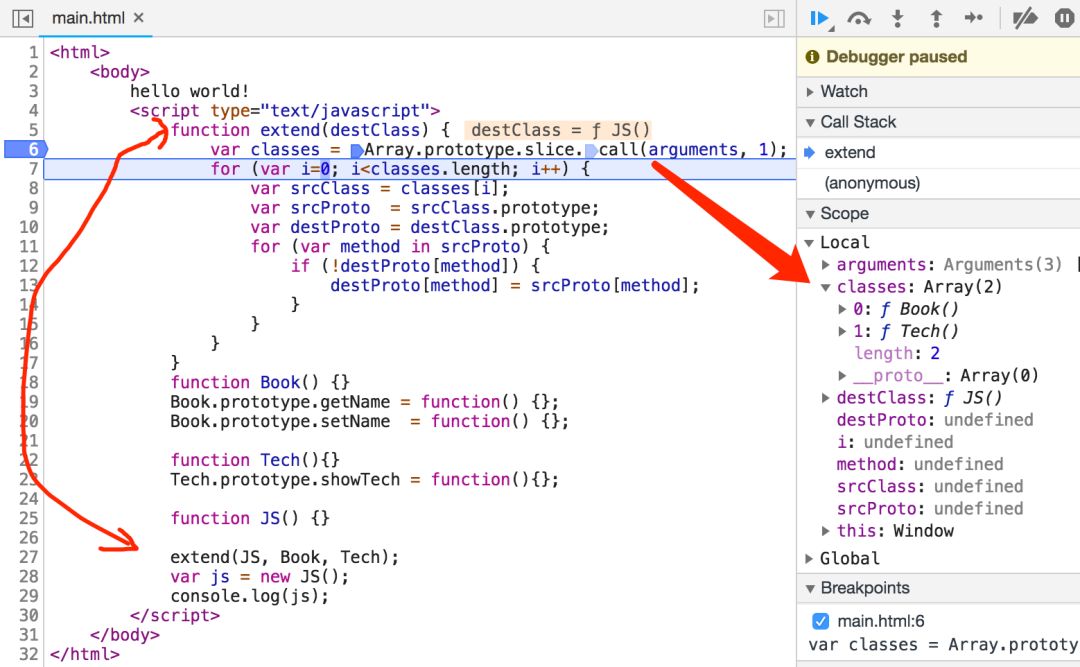
在服务层中,处理业务逻辑,包括保存、更新和删除主从表的数据。
DepartmentService示例:
控制器层(Controller)
提供API接口,供前端调用。
DepartmentController示例:
import org.springframework.beans.factory.annotation.Autowired; import org.springframework.http.ResponseEntity; import org.springframework.web.bind.annotation.; import java.util.Optional; import java.util.Set; @RestController @RequestMapping("/api/departments") public class DepartmentController { @Autowired private DepartmentService departmentService; // 创建部门及员工 @PostMapping("/") public ResponseEntity<Department> createDepartment(@RequestBody Department department, @RequestParam Set<Employee> employees) { Department savedDepartment = departmentService.addDepartmentWithEmployees(department, employees); return ResponseEntity.ok(savedDepartment); } // 获取部门及员工详情 @GetMapping("/{id}") public ResponseEntity<Department> getDepartment(@PathVariable Long id) { Optional<Department> optionalDept = departmentService.getDepartmentWithEmployees(id); return optionalDept.map(ResponseEntity::ok).orElseGet(() -> ResponseEntity.notFound().build()); } // 删除部门及员工 @DeleteMapping("/{id}") public ResponseEntity<Void> deleteDepartment(@PathVariable Long id) { departmentService.deleteDepartment(id); return ResponseEntity.noContent().build(); } }
注意事项与最佳实践
-
懒加载(Lazy Loading): 默认情况下,@OneToMany关系使用懒加载,避免不必要的数据加载,根据需求,可以调整fetch属性,将FetchType.LAZY改为FetchType.EAGER以立即加载相关数据。
-
级联操作(Cascade): 在@OneToMany注解中使用cascade = CascadeType.ALL,确保对主表的操作(如保存、删除)自动应用到从表。orphanRemoval = true允许在移除主表记录时,自动删除无主的从表记录。
-
双向关联 vs 单向关联: 上述示例展示了双向关联(Department知道Employee,Employee也知道Department),在某些场景下,单向关联可能更合适,具体取决于业务需求。
-
DTO与实体分离: 为了安全性和灵活性,建议在控制器层使用数据传输对象(DTO),而不是直接暴露实体类,这有助于防止客户端直接修改实体,并允许自定义返回的数据结构。
-
事务管理: 对于涉及多个数据库操作的业务逻辑,使用事务管理(如@Transactional)确保数据的一致性和完整性。
-
异常处理: 实现全局异常处理机制,捕获并处理可能出现的数据库异常,如唯一约束冲突、外键约束失败等。
- 发送POST请求到/api/departments/,请求体包含部门信息和员工列表。
- DepartmentService处理请求,设置部门与员工的关联关系,并保存到数据库。
- 返回保存后的部门信息,包括关联的员工。
- 发送GET请求到/api/departments/{id}。
- DepartmentService根据ID查询部门,并加载关联的员工。
- 返回部门及其员工的详细信息。
- 发送DELETE请求到/api/departments/{id}。
- DepartmentService删除指定部门,由于设置了orphanRemoval = true,关联的员工也会被删除。
- 返回204 No Content状态码。
- 解答: 可以使用批量操作来提高性能,使用JdbcTemplate的batchUpdate方法,或者在Service层中遍历集合并逐个保存,确保事务管理正确,以避免部分插入成功导致数据不一致。
- 解答: 如果采用双向关联,可能会在序列化(如JSON转换)时出现循环引用的问题,为避免这种情况,可以在实体类中使用@JsonManagedReference和@JsonBackReference注解,或者使用DTO来控制数据的
示例流程
创建部门及员工:
获取部门及员工详情:
删除部门及员工:
FAQs常见问题解答
问题1:如何处理主从表中的批量插入?
问题2:在主从关系中,如何避免循环引用?