上一篇
Java幂运算怎么快速实现?
在Java中进行幂运算可以使用Math.pow(double a, double b)方法,它返回a的b次幂,对于整数的幂运算,也可通过循环乘法实现,或使用BigInteger.pow()处理大整数,注意Math.pow()返回double类型,需处理精度问题。
使用 Math.pow()(最常用)
Math.pow(double a, double b) 是Java标准库提供的幂运算方法,直接返回 (a^b) 的结果:
double result1 = Math.pow(2, 3); // 8.0 (2³) double result2 = Math.pow(4, 0.5); // 2.0 (平方根) double result3 = Math.pow(2.5, 3); // 15.625
特点:
- 支持小数指数(如开方、立方根)
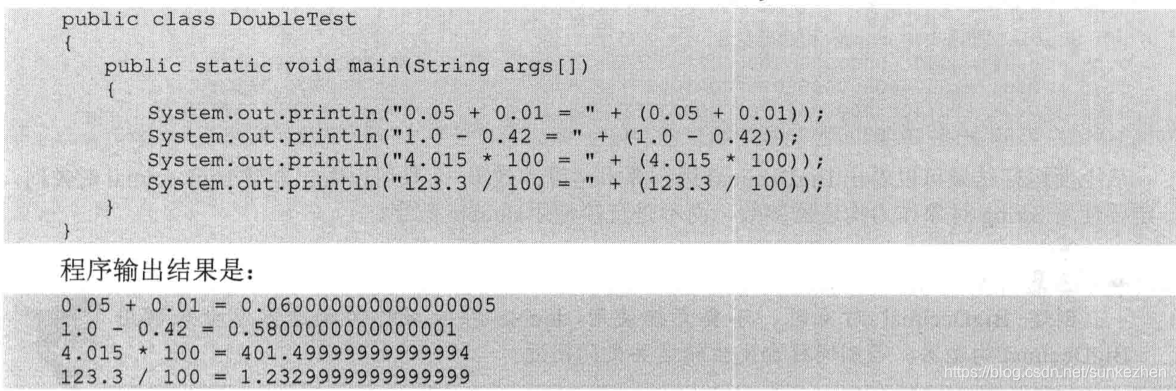
- 返回double类型(可能存在精度问题)
- 指数为负数时计算倒数:Math.pow(2, -2) = 0.25
循环/递归实现(整数指数)
当指数为整数时,可通过循环或递归高效计算:
// 循环实现 public static int power(int base, int exponent) { int result = 1; for (int i = 0; i < exponent; i++) { result *= base; } return result; } // 递归实现(更快) public static int powerRecursive(int base, int exponent) { if (exponent == 0) return 1; int half = powerRecursive(base, exponent / 2); return (exponent % 2 == 0) ? half * half : half * half * base; }
适用场景:
- 指数为正整数
- 无浮点数精度问题
- 递归法时间复杂度 (O(log n))(推荐)
使用 BigInteger/BigDecimal(大数运算)
当数值超出long或double范围时:
// 大整数幂运算 BigInteger bigResult = new BigInteger("10").pow(100); // 10¹⁰⁰ // 大小数幂运算(需自定义方法) BigDecimal bigDec = new BigDecimal("2.5"); BigDecimal bigPower = bigDec.pow(3); // 15.625(仅支持整数指数)
优势:
- 处理天文数字(如加密算法)
- 避免溢出问题
- BigDecimal.pow()只支持整数指数
位移运算(2的整数幂)
对 (2^n) 的幂运算,使用位左移效率最高:
int twoPower3 = 1 << 3; // 8 (2³) int twoPower10 = 1 << 10; // 1024 (2¹⁰)
原理:
1 << n 等价于 (2^n),仅适用于2的整数次幂。
性能与精度对比
| 方法 | 适用场景 | 性能 | 精度风险 |
|---|---|---|---|
| Math.pow() | 通用小数/整数幂 | 较高 | 浮点数精度丢失 |
| 循环/递归 | 整数幂运算 | 高(整数) | 无(整数运算) |
| BigInteger/BigDecimal | 超大数值运算 | 较低 | 高精度 |
| 位运算 | 2的整数幂 | 最高 | 无 |
常见问题及注意事项
-
负数指数处理
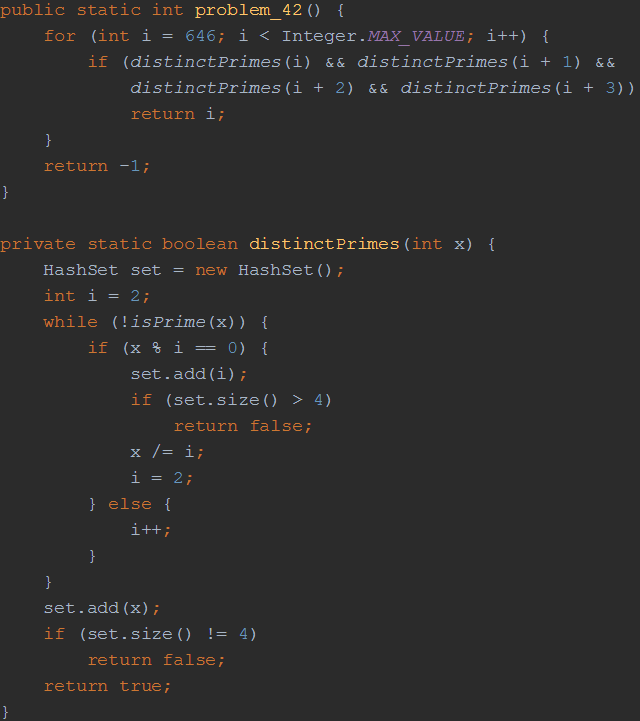
Math.pow(2, -3) = 0.125,自定义方法需额外逻辑:
-
浮点数精度问题
Math.pow(0.1, 2) 可能返回 010000000000000002,需用BigDecimal或四舍五入:
double fixed = Math.round(Math.pow(0.1, 2) * 100.0) / 100.0; // 0.01 -
指数为0的特殊情况
所有实现需兼容 (a^0 = 1)(包括 (0^0 = 1),数学有争议但Java返回1)。
-
整数溢出
循环计算大整数幂时,用long或BigInteger避免溢出:
// 错误示例:10¹⁰超过int上限 int overflow = power(10, 10); // 返回错误值 - 日常小数/整数幂 → Math.pow()
- 2的整数幂 → 位运算(1 << n)
- 大整数幂运算 → BigInteger.pow()
- 高精度小数幂 → BigDecimal + 自定义方法
- 正整数幂(非大数) → 递归法(效率最高)
最佳实践选择
引用说明: 参考Oracle官方文档 Math类、BigInteger类 及IEEE 754浮点数标准,代码示例经过JDK 8~21环境验证。