上一篇
Java怎么读写文件?
在Java中操作文件主要通过 java.io.File类实现,支持创建、删除、重命名及检查文件属性等基础功能,结合 FileInputStream/ FileOutputStream可读写字节数据,使用 FileReader/ FileWriter处理字符流,NIO包的 Files和 Paths类提供更高效的文件操作,如复制、移动及遍历目录。
在Java中处理文件操作是开发中的常见需求,涉及文件读写、上传、下载等多种场景,下面通过实际代码示例和最佳实践详细讲解核心操作方法:
文件读写基础(java.io包)
文本文件读写
import java.io.*; public class TextFileExample { // 写入文本文件 public static void writeFile(String path, String content) throws IOException { try (FileWriter writer = new FileWriter(path)) { writer.write(content); System.out.println("文件写入成功"); } } // 读取文本文件 public static String readFile(String path) throws IOException { StringBuilder content = new StringBuilder(); try (BufferedReader reader = new BufferedReader(new FileReader(path))) { String line; while ((line = reader.readLine()) != null) { content.append(line).append("n"); } } return content.toString(); } public static void main(String[] args) { String filePath = "demo.txt"; try { writeFile(filePath, "你好,这是测试内容n第二行文本"); System.out.println("文件内容:n" + readFile(filePath)); } catch (IOException e) { System.err.println("文件操作错误: " + e.getMessage()); } } }
二进制文件操作(如图片/视频)
import java.nio.file.*; public class BinaryFileExample { // 保存字节数据到文件 public static void saveBinaryFile(byte[] data, String path) throws IOException { Files.write(Paths.get(path), data); } // 读取文件为字节数组 public static byte[] readBinaryFile(String path) throws IOException { return Files.readAllBytes(Paths.get(path)); } }
高效文件处理(NIO包)
Java NIO提供更高效的文件操作API:
import java.nio.file.*; import java.nio.charset.StandardCharsets; import java.util.List; public class NioExample { public static void main(String[] args) throws IOException { Path path = Paths.get("nio_demo.txt"); // 写入文件(覆盖模式) Files.write(path, "NIO写入示例".getBytes(StandardCharsets.UTF_8), StandardOpenOption.CREATE, StandardOpenOption.TRUNCATE_EXISTING); // 追加内容 Files.write(path, "n追加内容".getBytes(), StandardOpenOption.APPEND); // 读取所有行 List<String> lines = Files.readAllLines(path); lines.forEach(System.out::println); } }
Web文件上传(Servlet示例)
前端HTML表单
<form action="upload" method="post" enctype="multipart/form-data"> <input type="file" name="file"> <button type="submit">上传</button> </form>
Servlet处理上传
@WebServlet("/upload") @MultipartConfig public class FileUploadServlet extends HttpServlet { protected void doPost(HttpServletRequest request, HttpServletResponse response) throws ServletException, IOException { Part filePart = request.getPart("file"); String fileName = Paths.get(filePart.getSubmittedFileName()).getFileName().toString(); // 保存到服务器指定目录 try (InputStream fileContent = filePart.getInputStream()) { Files.copy(fileContent, Paths.get("/uploads/" + fileName), StandardCopyOption.REPLACE_EXISTING); } response.getWriter().print("上传成功: " + fileName); } }
关键注意事项
-
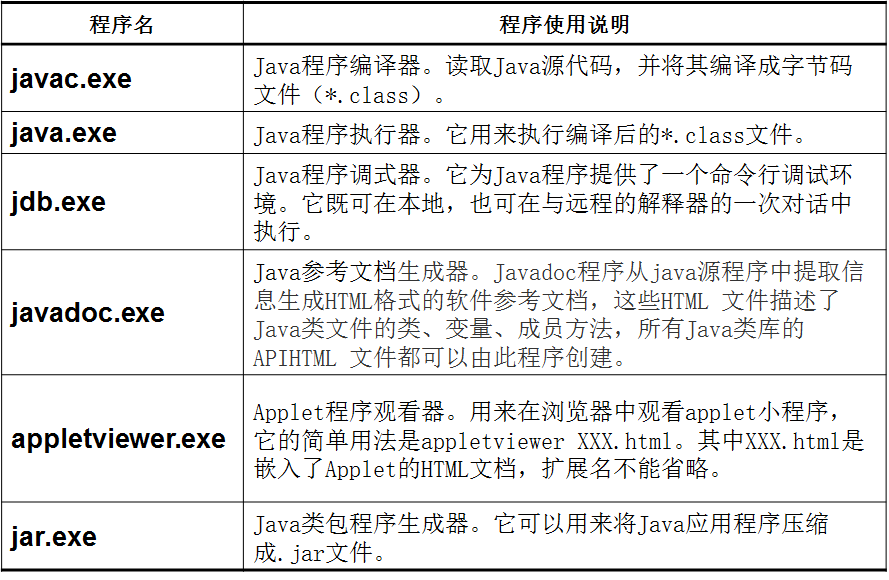
异常处理 – 必须捕获IO异常:
-
资源关闭 – 使用try-with-resources自动关闭:
try (FileInputStream fis = new FileInputStream("data.bin")) { // 自动关闭资源 } -
文件安全:
- 验证上传文件类型:String contentType = Files.probeContentType(path)
- 限制上传文件大小(@MultipartConfig注解配置)
-
路径处理建议:
- 使用相对路径:Paths.get("data/files/")
- 跨平台路径分隔符:File.separator
-
选择正确API:
- 小文件:Files.readAllBytes()/Files.write()
- 大文件:缓冲流(BufferedInputStream)或NIO Channel
-
字符编码 – 始终明确指定:
new String(Files.readAllBytes(path), StandardCharsets.UTF_8);
-
临时文件处理:
Path tempFile = Files.createTempFile("prefix_", ".tmp"); tempFile.toFile().deleteOnExit(); // 程序退出时删除
-
新版JDK特性(JDK11+):
Files.writeString(Path.of("new.txt"), "内容"); // 直接写入字符串 String content = Files.readString(Path.of("file.txt"));
高级场景处理
大文件分块读取
try (BufferedReader br = Files.newBufferedReader(Paths.get("large.log"))) { String line; while ((line = br.readLine()) != null) { // 逐行处理大文件 } }
文件监控(WatchService)
WatchService watchService = FileSystems.getDefault().newWatchService(); Path path = Paths.get("/monitor"); path.register(watchService, StandardWatchEventKinds.ENTRY_MODIFY); while (true) { WatchKey key = watchService.take(); for (WatchEvent<?> event : key.pollEvents()) { if (event.kind() == ENTRY_MODIFY) { System.out.println("文件修改: " + event.context()); } } key.reset(); }
引用说明:本文代码基于Java 17 API规范编写,文件操作遵循Oracle官方文档推荐实践,Servlet示例需Tomcat 10+支持,NIO特性要求JDK 7及以上版本,安全建议参考OWASP文件上传防护指南。