上一篇
Java中如何实现高效监听文件变化的最佳实践是什么?
在Java中监听文件变化是一个常见的需求,无论是开发文件监控工具,还是实现文件同步等功能,都需要这一功能,以下是一些常用的方法来实现Java中的文件变化监听。
使用Java NIO包中的WatchService
Java NIO包提供了WatchService接口,可以用来监听文件系统的变化,以下是一个简单的示例:
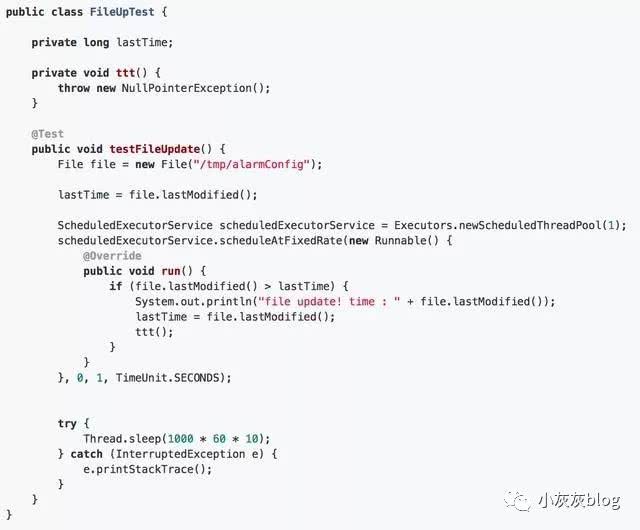
使用第三方库如Watchman
虽然Java NIO的WatchService接口提供了基本的文件变化监听功能,但它也有一些限制,比如不支持跨平台,在这种情况下,可以使用第三方库如Watchman。
以下是一个使用Watchman的简单示例:
import com.sun.jna.Library; import com.sun.jna.Native; import com.sun.jna.Pointer; public class WatchmanExample { public interface Watchman extends Library { Watchman INSTANCE = (Watchman) Native.loadLibrary("watchman", Watchman.class); int watchman_init(Pointer user_data); int watchman_wait(int timeout); int watchman_query(Pointer query); int watchman_destroy(); } public static void main(String[] args) { int result = Watchman.INSTANCE.watchman_init(null); if (result != 0) { System.err.println("Failed to initialize watchman: " + result); return; } while (true) { int timeout = 1000; // 1 second result = Watchman.INSTANCE.watchman_wait(timeout); if (result == 0) { Pointer query = Pointer.NULL; result = Watchman.INSTANCE.watchman_query(query); if (result == 0) { // Process the query result } else { System.err.println("Failed to query watchman: " + result); } } else { System.err.println("Failed to wait for watchman: " + result); } } Watchman.INSTANCE.watchman_destroy(); } }
使用Java的java.nio.file.Files.newWatchService()方法
这个方法与Java NIO包中的WatchService类似,但是它提供了一些额外的功能,比如异步处理。
以下是一个使用java.nio.file.Files.newWatchService()方法的示例:
import java.nio.file.*; import java.nio.file.attribute.BasicFileAttributes; import java.io.IOException; import java.util.concurrent.ExecutorService; import java.util.concurrent.Executors; public class FilesNewWatchServiceExample { public static void main(String[] args) throws IOException { Path path = Paths.get("path/to/directory"); WatchService watchService = Files.newWatchService(); path.register(watchService, StandardWatchEventKinds.ENTRY_CREATE, StandardWatchEventKinds.ENTRY_DELETE, StandardWatchEventKinds.ENTRY_MODIFY); ExecutorService executorService = Executors.newSingleThreadExecutor(); executorService.submit(() > { try { WatchKey key; while ((key = watchService.take()) != null) { for (WatchEvent<?> event : key.pollEvents()) { WatchEvent.Kind<?> kind = event.kind(); // Context for directory entry event is the file name of entry WatchEvent<Path> ev = (WatchEvent<Path>) event; Path filename = ev.context(); System.out.println(kind.name() + ": " + filename); // Recurse into the directory if it is a directory if (kind == StandardWatchEventKinds.ENTRY_CREATE) { Path subPath = path.resolve(filename); if (Files.isDirectory(subPath)) { subPath.register(watchService, kind, kind, kind); } } } boolean valid = key.reset(); if (!valid) { break; } } } catch (InterruptedException ex) { Thread.currentThread().interrupt(); } catch (IOException ex) { ex.printStackTrace(); } }); // Keep the application running System.out.println("Press any key to exit..."); System.in.read(); } }
FAQs
Q1:Java NIO的WatchService和Files.newWatchService()有什么区别?
A1:Files.newWatchService()是Java NIO 7中引入的一个新方法,它提供了一些额外的功能,比如异步处理,而WatchService是Java NIO 3中引入的,它提供了基本的文件变化监听功能。
Q2:如何处理大量文件变化事件?
A2:当处理大量文件变化事件时,可以使用线程池来并行处理这些事件,在上面的示例中,我们使用了ExecutorService来创建一个单线程的线程池,用于处理文件变化事件,如果需要处理更多的并发事件,可以创建一个更大的线程池。