上一篇
redhat7基于域名的虚拟主机

dhat7下基于域名的虚拟主机需配置httpd及dn
前提条件
- 安装Apache服务:在RedHat7系统中,可通过以下命令安装Apache服务及相关依赖。
- 确保系统已配置好EPEL源,可使用以下命令: rpm -Uvh https://dl.fedoraproject.org/pub/epel/epel-release-latest-7.noarch.rpm yum makecache
- 安装Apache服务: yum install httpd -y
- 配置网络服务:为服务器配置固定的IP地址,假设配置的IP地址为168.10.10,具体操作可参考系统的网络配置文档或使用相关网络配置命令。
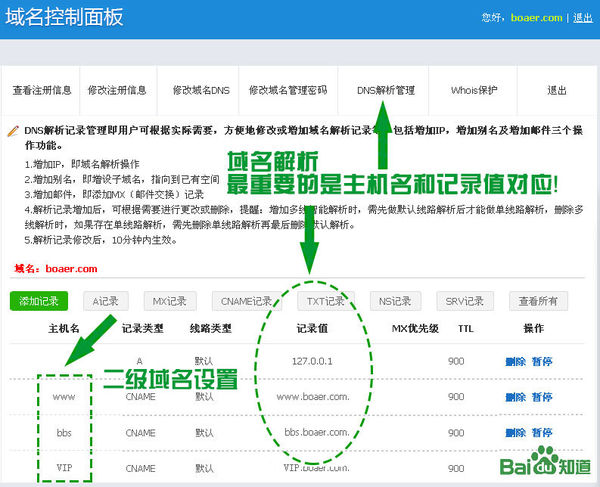
- DNS域名解析准备:使用host命令测试域名是否能正确解析到IP地址,若域名为www.example.com,可在终端执行host www.example.com,检查解析结果是否正确,编辑/etc/hosts文件,添加域名与IP地址的映射关系,内容如下: 168.10.10 www.example.com 192.168.10.10 www.test.com
- 验证网络连通性:使用ping命令测试域名的网络连通性,如ping -c 4 www.example.com,确保网络正常。
创建网站目录与内容
- 创建网站主目录:在/home/wwwroot目录下创建用于保存不同网站数据的目录, mkdir -p /home/wwwroot/example mkdir -p /home/wwwroot/test
- 写入首页内容:向各个网站目录中写入首页文件,如: echo "www.example.com" > /home/wwwroot/example/index.html echo "www.test.com" > /home/wwwroot/test/index.html
配置虚拟主机
- 编辑配置文件:使用文本编辑器(如vim)打开Apache的虚拟主机配置文件,一般位于/etc/httpd/conf.d/目录下,可创建一个新的配置文件,如virtual_host.conf。
- 配置虚拟主机参数:在配置文件中添加基于域名的虚拟主机配置信息,示例如下: <VirtualHost :80> ServerName www.example.com DocumentRoot /home/wwwroot/example <Directory /home/wwwroot/example> AllowOverride None Require all granted </Directory> </VirtualHost>
<VirtualHost :80>
ServerName www.test.com
DocumentRoot /home/wwwroot/test
<Directory /home/wwwroot/test>
AllowOverride None
Require all granted

“`
`ServerName`:指定虚拟主机的域名。
`DocumentRoot`:指定网站的根目录。
`
配置SELinux安全上下文
- 添加安全上下文规则:使用semanage命令为网站数据目录添加正确的SELinux安全上下文,命令如下: semanage fcontext -a -t httpd_sys_content_t /home/wwwroot/example semanage fcontext -a -t httpd_sys_content_t /home/wwwroot/example/ semanage fcontext -a -t httpd_sys_content_t /home/wwwroot/test semanage fcontext -a -t httpd_sys_content_t /home/wwwroot/test/
- 使上下文立即生效:执行restorecon命令让新设置的SELinux安全上下文立即生效,命令如下: restorecon -Rv /home/wwwroot/
重启服务并测试
- 重启httpd服务:使配置生效,可使用以下命令重启Apache服务: systemctl restart httpd.service
- 测试虚拟主机:在客户端浏览器中输入不同的域名,如www.example.com和www.test.com,查看是否能够正确访问对应的网站内容,也可以使用curl命令进行测试,如curl www.example.com和curl www.test.com,检查输出结果是否符合预期。
| 步骤 | 命令示例 | |
|---|---|---|
| 安装Apache服务 | 安装Apache及其相关依赖 | yum install httpd -y |
| 配置网络服务 | 设置服务器固定IP地址 | (根据系统网络配置方法进行操作) |
| DNS域名解析准备 | 编辑/etc/hosts文件添加域名与IP映射关系 | 168.10.10 www.example.com<br>192.168.10.10 www.test.com |
| 验证网络连通性 | 使用ping命令测试域名连通性 | ping -c 4 www.example.com |
| 创建网站目录与内容 | 创建网站数据目录并写入首页文件 | mkdir -p /home/wwwroot/example<br>echo "www.example.com" > /home/wwwroot/example/index.html |
| 配置虚拟主机 | 编辑配置文件并添加虚拟主机参数 | 在/etc/httpd/conf.d/virtual_host.conf中添加相应配置 |
| 配置SELinux安全上下文 | 为网站目录添加SELinux安全上下文并使其生效 | semanage fcontext -a -t httpd_sys_content_t /home/wwwroot/example<br>restorecon -Rv /home/wwwroot/ |
| 重启服务并测试 | 重启Apache服务并在客户端测试访问 | systemctl restart httpd.service |
相关问题与解答
- 问题:如果在配置虚拟主机后,访问域名出现403错误,可能是什么原因?
- 解答:可能是SELinux安全上下文未正确配置,导致httpd服务无法访问网站数据目录,需要检查并正确配置SELinux安全上下文,可参考上述配置SELinux安全上下文的步骤进行操作,也可能是网站目录的权限设置不正确,可检查目录的权限是否允许httpd服务读取。
- 问题:如何查看Apache服务是否正常运行?
- 解答:可以使用以下命令查看Apache服务的状态: systemctl status httpd.service
- 如果服务正在运行,会显示服务的运行状态、进程ID等信息,还可以使用ps命令结合grep来查看httpd进程是否存在,如: ps -ef | grep httpd